4×5 vs. 5×6 Round Balers: Which Giant Makes More Sense for Your Farm?
Real-world field insights from 18+ years of Italy engineering and heavy-duty harvesting.
🛒 Buying a round hay baler isn’t just about picking a color or a price point; it’s about matching the physics of your field to the reality of your tractor. As a direct factory and global supplier, we have spent nearly two decades refining our manufacturer standards to ensure every machine we ship—whether a nimble 4×5 or a massive 5×6—delivers industry-leading density and reliability. Most operators don’t realize that the “deal” they find at a local lot often lacks the reinforced steel and Italy precision engineering we bake into our custom-builds. In our experience, the real profit in haying is hidden in the density of the bale, and that’s where our high-performance balers outshine the competition.
I’ve spent the last 18 years walking behind machines in the dust of Texas, the humidity of the Netherlands, and the vast paddocks of Australia, and if there is one thing I’ve learned, it’s that the “bigger is better” mantra has sent many a farmer into a logistical nightmare. When we sit down at the factory to design a new round hay baler, we aren’t just looking at the steel—we’re looking at the volume math. It’s funny how most folks focus on the diameter, but the trick is understanding the volume. A 5×6 bale isn’t just “a bit bigger” than a 4×5; it’s actually about 44% more volume! That means 44% more hay in one spot, which sounds great until you realize your loader can’t lift it or your trailer is six inches too narrow to fit two wide. We’ve seen it all, and frankly, we want to make sure you don’t make the common mistake of over-buying or under-preparing.

Product Overview: The Italy Engineering Difference
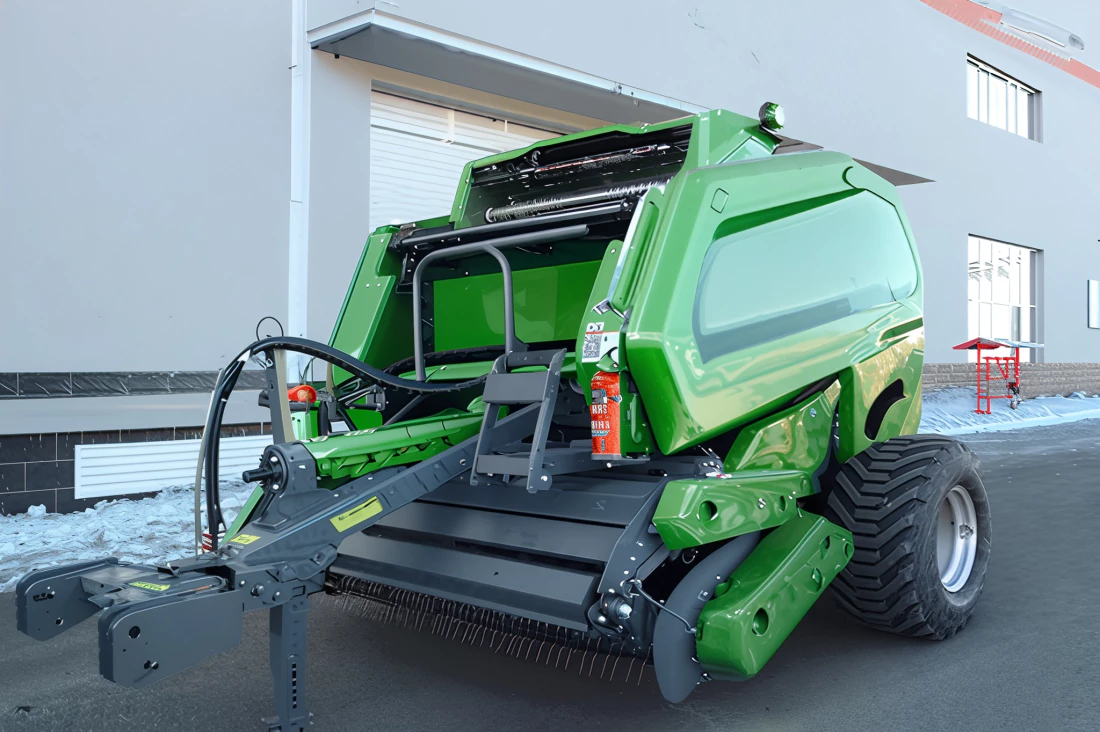
Our round hay baler range is built on a “No-Clog, High-Density” philosophy. Whether you’re a custom contractor or a large-scale cattle rancher, these machines are designed to take the most abrasive crops—corn stover, wheat straw, or heavy alfalfa—and turn them into rock-hard bales that shed rain like a tin roof. The advantage of sourcing directly from our factory is the level of customization we offer; we don’t just sell you a machine, we spec the gearboxes, the belt textures, and the pickup widths to your specific geography. In our experience, a baler that works perfectly in the dry Australian outback might need different tension settings than one working in the soggy fields of Western Europe.
Technical Parameters: 4×5 vs. 5×6 Comparison
Let’s look at the hard numbers. Most printers of brochures gloss over the weight of the machine itself, but we believe the weight tells the story of the steel quality. A lighter machine might save fuel, but it won’t survive the vibration of a high-speed harvest.
| Feature | Model 4×5 (Medium-Heavy) | Model 5×6 (Commercial Giant) |
|---|---|---|
| Bale Dimensions | 48″ Wide x 60″ Diameter | 60″ Wide x 72″ Diameter |
| Est. Bale Weight (Dry Hay) | 800 – 1,100 lbs | 1,500 – 2,200 lbs |
| Min. PTO Horsepower | 75 HP | 110+ HP |
| Pickup Width | 1.9m – 2.2m | 2.2m – 2.5m Super-Wide |
| Binding Options | Net Wrap / Twine | Automated Net Wrap (Standard) |
Why Our Balers Are the Top Choice: 6 Key Advantages
1. High-Tensile Steel Pickup
Our pickup tines are made from high-carbon spring steel. Why? Because hitting a rock shouldn’t end your day. These tines flex and return to position where cheaper tines just snap like twigs.
2. Italy Variable Chamber Tech
We use a multi-belt variable chamber that allows you to adjust density from the core out. You want a soft core for respiration? Easy. You want it rock hard for outdoor storage? Just a turn of the dial.
3. Cam-less Pickup Design
The trick to longevity is fewer moving parts. Our cam-less pickup reduces noise and vibration, significantly extending the life of the bearings. It’s a “set it and forget it” piece of engineering.
4. ISOBUS Compatibility
Most printers won’t tell you how hard it is to sync old balers with new tractors. Our machines are fully ISOBUS compatible, meaning you can monitor bale shape and density directly from your tractor’s screen.
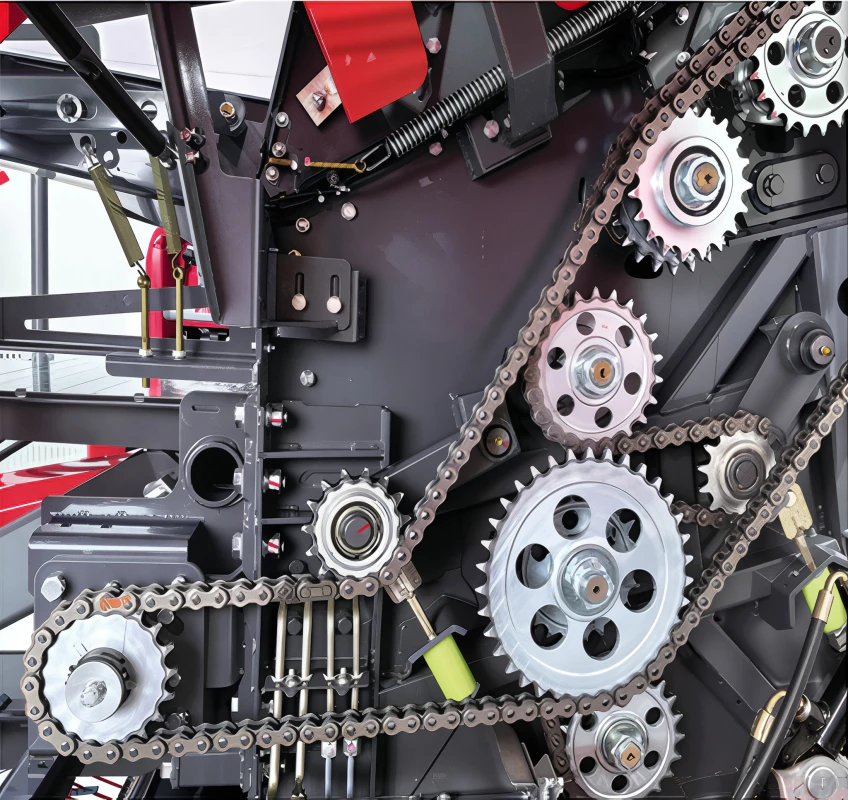
5. Reinforced Heavy-Duty Gearboxes
Being a Italy manufacturer, we don’t mess around with drivelines. Our gearboxes are oversized to handle torque spikes from wet silage or heavy corn residue without stripping gears.
6. Wide Flotation Tires
We’ve seen too many balers sink in soft ground. We include wide flotation tires as standard to reduce soil compaction and ensure you can keep moving even when the field is a bit tacky.

How to Choose: The “Right-Size” Guide
If you’re sitting there wondering if the 4×5 or 5×6 is right for you, ask yourself three questions: What is my tractor’s PTO power? How do I store my hay? And who is my end customer?
The 4×5 Advantage: This is the “Goldilocks” size for many. It’s light enough for an 80 HP tractor but heavy enough to create a decent bale. Most importantly, a 4-foot wide bale is perfect for hauling on a standard trailer—you can fit two wide and stay within the legal width limits in most countries. (Trust me, getting a wide-load permit every time you move hay is a pain you want to avoid!).
The 5×6 Advantage: This is the beast for commercial operations. If you are baling thousands of acres of corn stalks or wheat straw and you’re shipping on flatbeds, the 5×6 reduces your handling time by nearly half. Because each bale is so large, you make fewer stops, use less net wrap per ton, and clear the field faster. But—and it’s a big but—you better have a serious loader and a tractor that doesn’t mind a workout.
Product Applications: Versatility in Every Rotation
Our balers aren’t just for alfalfa. We’ve engineered them to handle the “dirty” jobs too.
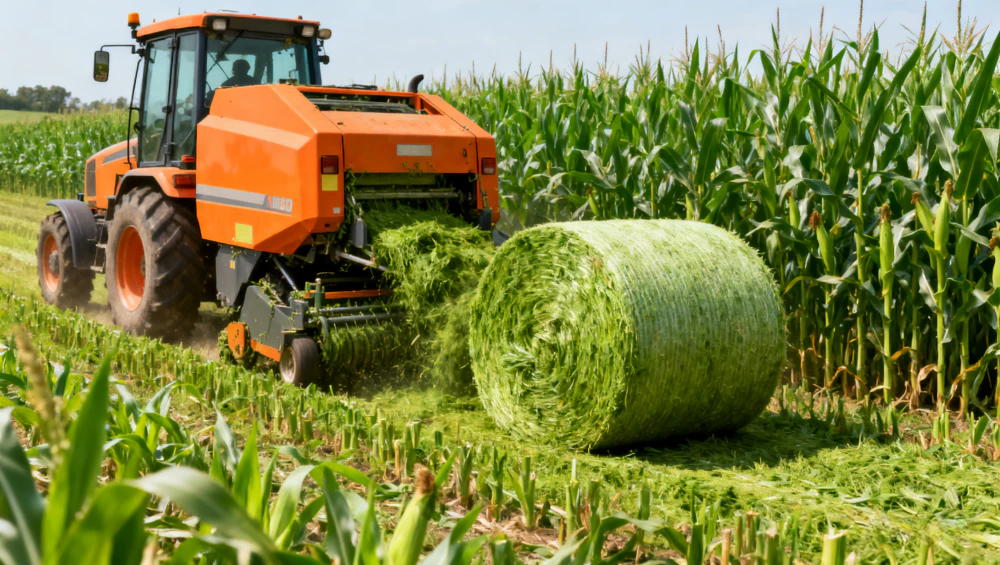
Straw & Stubble Recovery
After the combine leaves, our high-speed pickups sweep the field clean, handling brittle straw with minimal leaf loss.
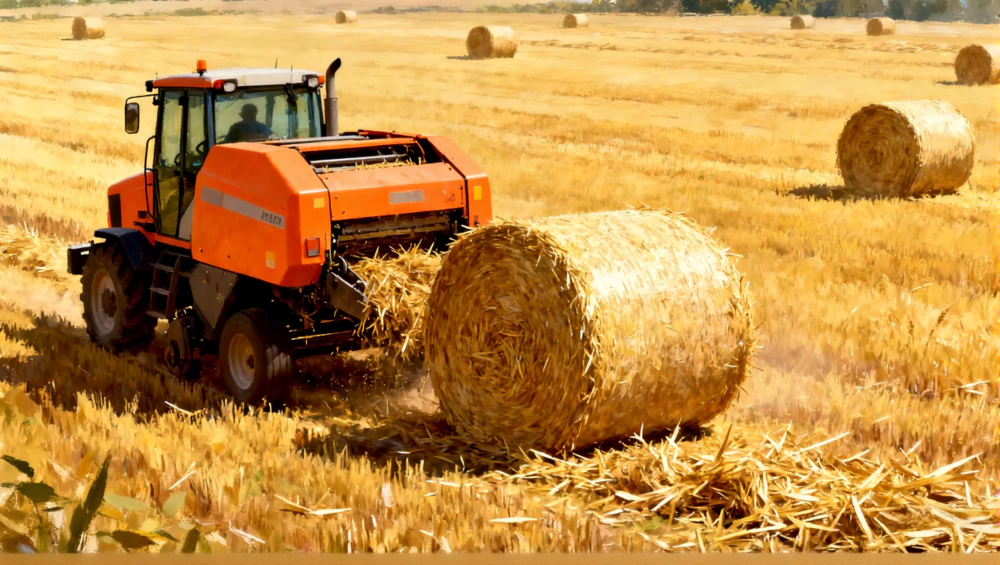
High-Moisture Silage
With our stainless steel chamber options, you can bale high-moisture grass for silage without worrying about corrosion or sticking.
Straight from the Field: Customer Reviews
“Running a custom hay business in Texas means I need a machine that doesn’t choke when the temperature hits 105. I bought two 5×6 units directly from the factory, and the density is night and day compared to my old ‘major brand’ baler. My customers are happy because the bales don’t sag in the stack.”
— Slim J., Custom Harvester, Texas, USA
“In the Netherlands, we often bale in less-than-ideal moisture. The Italy engineering in the Ever Power baler really shows when the grass is heavy. The 4×5 size is perfect for our narrow roads, and the ISOBUS makes life so much easier for my operators.”
— Pieter van D., Dairy Farmer, Overijssel, Netherlands
“We handle a lot of cereal straw in Australia. The 5×6 is a beast. We ran 4,000 bales last season with only one shear bolt replaced. Sourcing from an overseas manufacturer was a bit scary at first, but the support and parts availability have been better than our local dealer.”
— Dave M., Broadacre Farmer, NSW, Australia
The Full Package: Drivelines and Parts
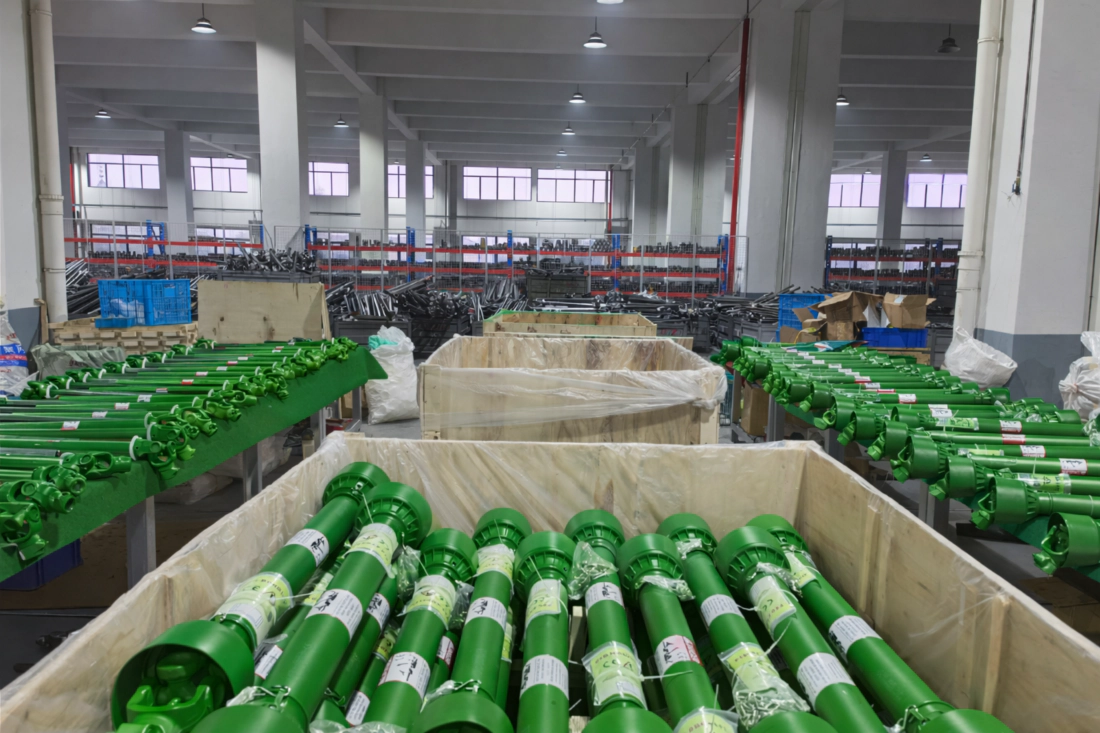
A baler is only as good as the power getting to it. We don’t just stop at the machine; we provide a full range of PTO shafts, heavy-duty gearboxes, and all the wear parts you’ll need for a decade of service. In our experience, using a generic PTO shaft on a high-density baler is like putting bicycle tires on a Ferrari—it just won’t end well.
Got Questions? We’ve Got 18 Years of Answers.
How much does a heavy-duty 5×6 round hay baler cost when sourcing from a direct factory supplier in 2026?
In 2026, sourcing directly from our factory can save you 15-25% over retail prices, with prices typically ranging from $25,000 to $45,000 depending on features like ISOBUS and silage kits. Contact us for a custom quote based on your shipping location!
What is the recommended tractor PTO horsepower to run a 5×6 round baler in heavy Texas straw conditions?
In our experience, while the minimum is 100 HP, we recommend 120-140 HP for heavy Texas straw to ensure you can maintain ground speed while reaching maximum bale density without lugging the engine.
Where can I buy a reliable round hay baler with Italy engineering standards and international shipping support?
Ever Power is a leading Italy manufacturer and supplier offering direct-to-farm global shipping for all our round hay baler models, complete with full customs support and local parts availability in most major agricultural regions.
Which size round baler is more efficient for a commercial dairy farm in Europe that handles both hay and silage?
For European dairy farms, the 4×5 variable chamber baler is often more efficient because it handles high-moisture silage better and fits the tighter transport regulations and indoor feeding barriers typical of the region.
Ready to see the difference Italy engineering makes in your fields?