Fixed vs. Variable Chamber Round Balers: The Insider Guide to Choosing Your Perfect Machine
I’ve spent over 18 years walking through dusty fields and listening to the rhythmic hum of agricultural machinery, and if there’s one thing I’ve learned, it’s that your choice of a round hay baler defines your entire season. As a dedicated factory and supplier based in the Netherlands, we know that being a premier manufacturer means more than just welding steel; it’s about understanding the “why” behind every bale. Most folks look at a shiny new machine and see paint, but we see the engineering required to handle the unpredictable nature of forage. Whether you are searching for a heavy-duty solution or a nimble machine for tight spaces, the debate between fixed and variable chambers is where the real money is made or lost.

You know, the funny thing about the hay business is that everyone thinks they need the biggest, most expensive rig on the market. But in my experience, the “best” baler is simply the one that doesn’t leave you stranded in the field when the clouds are turning grey. We’ve seen it time and again—farmers over-complicating their setup when a straightforward fixed chamber would have done the job with half the maintenance. Or, conversely, trying to squeeze dry straw into a fixed chamber and wondering why the bales look like lumpy pillows instead of tight, stackable cylinders.
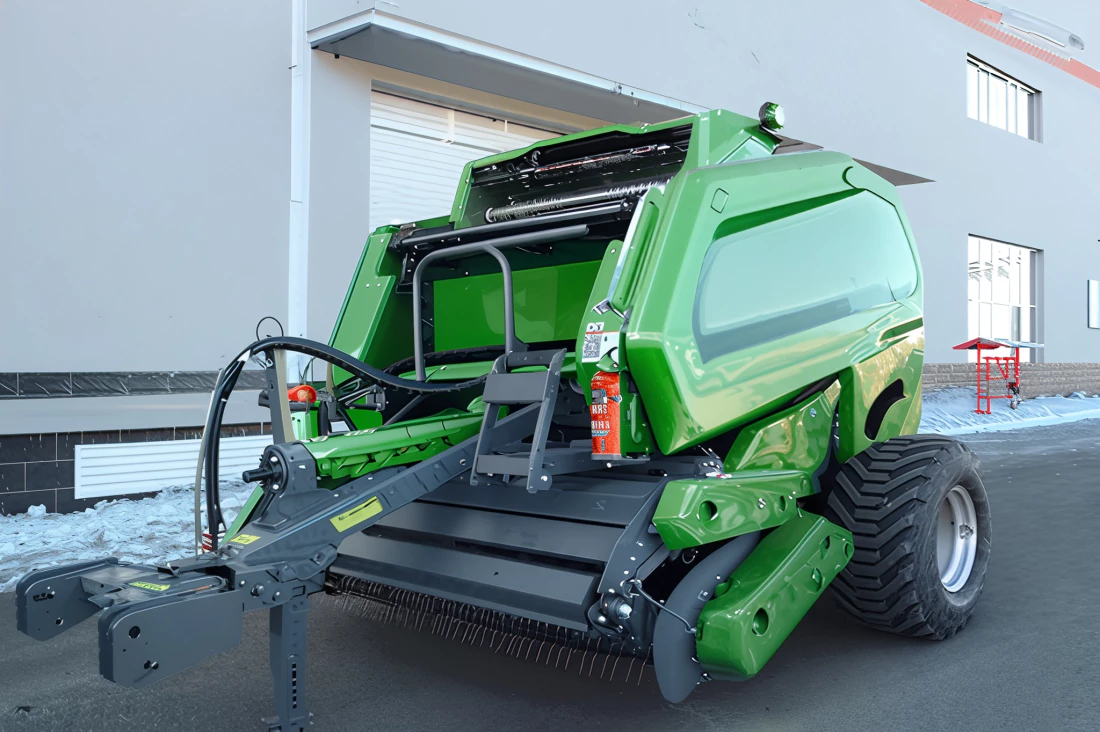
The fundamental difference really comes down to how the bale is born. In a fixed chamber machine, the cavity stays the same size from the moment the first bit of hay enters. It tumbles around until it fills the whole space, meaning you get a “soft core” that’s great for letting hay breathe and finish drying. Variable chambers? Well, those use belts that start tight and expand as the bale grows. That gives you a dense-to-the-core bale that’s a dream for transport but might be overkill if you’re just feeding a few cows in a damp climate. Most operators don’t realize that the hydraulic pressure settings on our Ever Power units can actually bridge the gap between these two worlds if you know the trick to tuning them.

Technical Specifications: The Nuts and Bolts
| Feature / Model Series | Fixed Chamber (F-Series) | Variable Chamber (V-Series) |
|---|---|---|
| Bale Diameter (mm) | Fixed 1200 / 1500 | Adjustable 900 – 1800 |
| Chamber Type | Heavy-Duty Steel Rollers | High-Tension Endless Belts |
| PTO Input Speed (RPM) | 540 / 1000 | 540 / 1000 |
| Minimum Tractor HP | 45 – 60 HP | 70 – 100 HP |
| Pick-up Width (mm) | 1900 – 2200 | 2000 – 2400 |
| Tying System | Twin Twine / Net Wrap | Auto-Sensor Net Wrap |
Why Our Round Balers Stand Out in the Field
1. Reinforced Roller Integrity
Our fixed chambers aren’t just shells. We use thick-walled seamless rollers that don’t bow under extreme pressure. (I’ve seen the “cheap” ones fold like soda cans in heavy silage!) These are designed for the long haul.
2. Italy Precision Engineering
Being a Italy company, we live in a land of rain and high-sugar grass. Our gearboxes are over-engineered to handle the torque spikes that happen when you hit a thick clump of wet forage unexpectedly.
3. High-Speed Pick-up Design
The trick is in the tine geometry. Our pick-up units are designed to lift the crop cleanly without dragging in rocks or dirt, which is a major lifesaver for your livestock’s teeth and your machine’s longevity.
4. Adaptive Belt Tensioning
On our variable models, the hydraulic sensors are insanely fast. They adjust the tension in real-time to ensure every bale has the same density from the core to the outer layer, making them perfect for stacking.
5. Maintenance-Friendly Layout
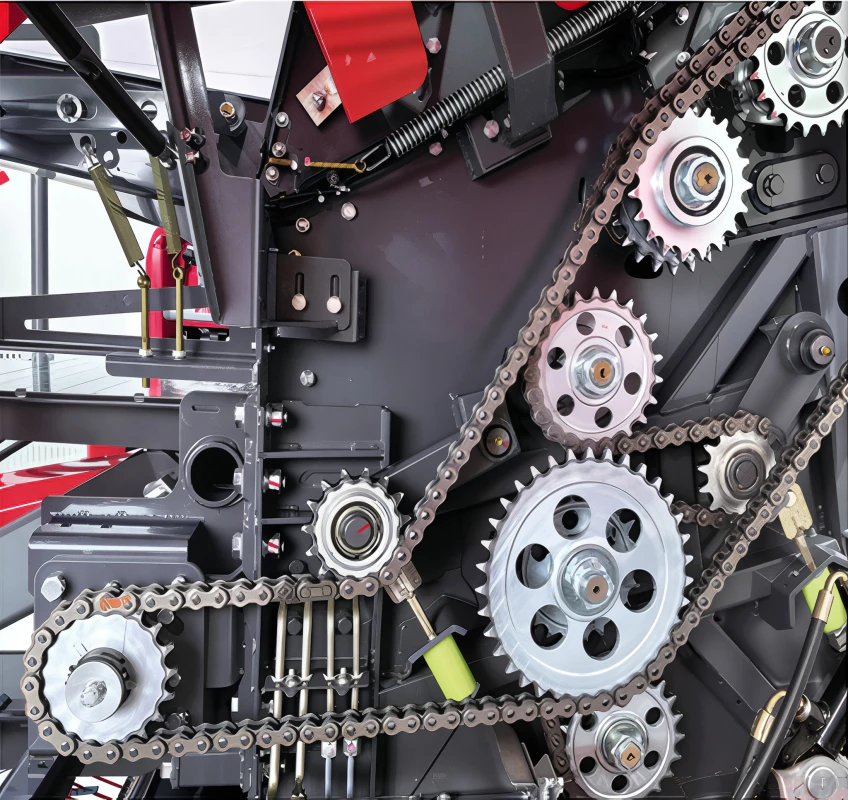
I hate working on machines where you need three joints in your arm to change a chain. We’ve positioned all grease points and drive chains behind easy-access panels because we know you’d rather be baling than wrenching.
6. Versatile Crop Handling
Whether it’s alfalfa, wheat straw, or heavy silage, our machines don’t discriminate. We’ve tested these in the most brutal conditions—from the humidity of Southeast Asia to the dry heat of the Australian Outback.
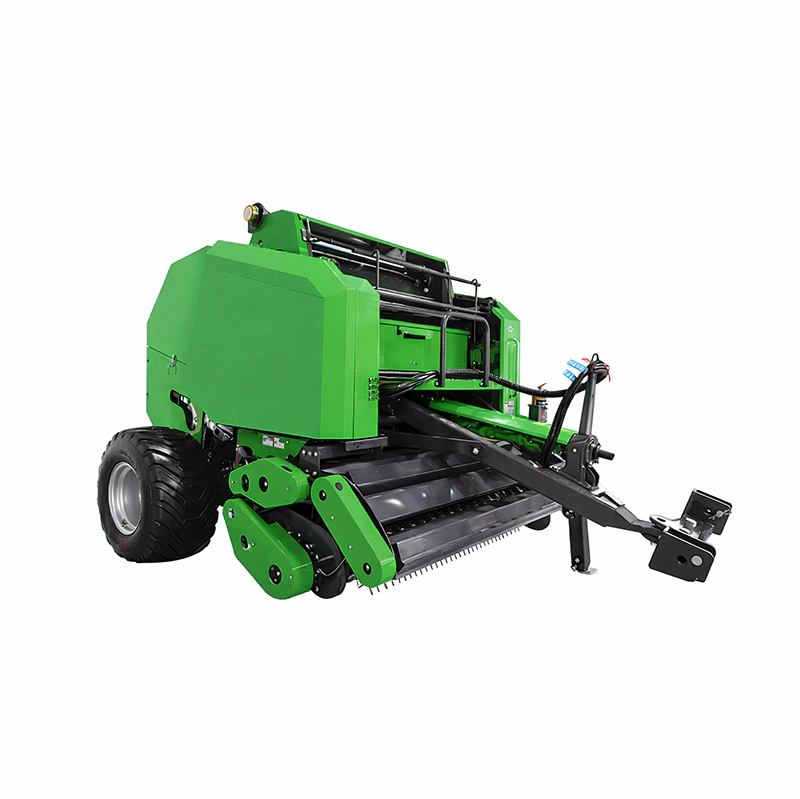
Which One Should You Hook to Your Tractor?
It’s the million-dollar question, isn’t it? Here’s my take: if you’re a smaller operation or you’re primarily dealing with hay that has a bit of moisture, the fixed chamber is your best friend. It’s simpler, cheaper to maintain, and that soft core is a natural “safety valve” against mold. But—and it’s a big but—if you’re a custom operator who needs to pack as much material into a truck as possible, you’ve got to go variable.
Think about your storage. High-density bales from a variable chamber save you about 15-20% on shed space. But don’t forget the horsepower! I’ve seen guys buy a variable chamber and try to run it with a tractor that’s too light. It’ll do it, sure, but you’ll be burning through fuel and clutches faster than you can say “harvest season.” We’ve found that the “sweet spot” is usually a bit more power than the manual says—give yourself that 10% buffer for the hills.
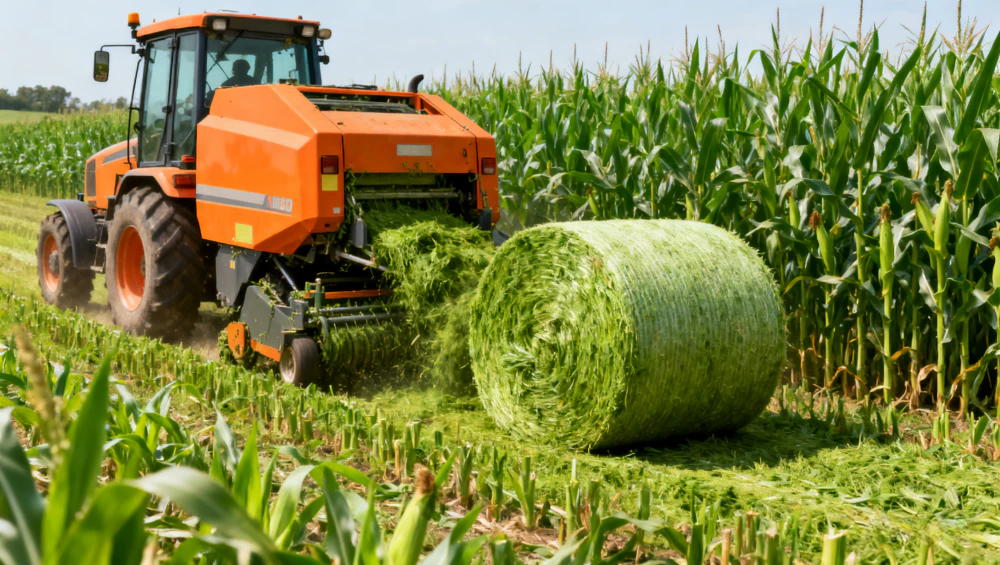
Applications: Where the Magic Happens
Our machines aren’t just for cattle ranchers. We’ve got units working in the biomass industry, packing corn stover for fuel. We’ve got horse breeders in Kentucky who insist on our fixed-chamber models because they want that fluffy, easy-to-pull-apart bale that keeps the dust down in the stables.
In Europe, we’re seeing a massive trend toward silage baling. Our wrappers can be integrated directly, turning a two-man job into a one-man operation. It’s all about that efficiency, right? I recall a project in the dairy belt of China where we customized the intake to handle particularly abrasive rice straw—it took some doing, but that’s the advantage of working directly with a manufacturer like us. We don’t just sell you a box; we solve the problem of your specific field.
Voices from the Field
“Back in Mato Grosso, Brazil, the dust is relentless. We were going through bearings every season until we switched to the Ever Power V-Series. The seals on these things are actually built for real dirt, not just showroom floors. Plus, the bale density helped us cut our transport costs to the coast by almost 12%.”
— Ricardo S., Commercial Forage Supplier
“We have a lot of small, hilly fields in Normandy. I needed something light enough for my 70hp tractor but strong enough for wet grass. The fixed chamber model we got from you guys has been a tank. It just keeps rolling. No fancy electronics to fail in the rain—just pure mechanical reliability.”
— Jean-Pierre L., Dairy Farmer
“Honestly, I was skeptical about a Italy baler in the heat of Texas, but the cooling on the gearbox has been a surprise. We run 10 hours a day in July and it hasn’t skipped a beat. The PTO shaft you supplied was also way beefier than the standard ones I get at the local shop.”
— Dale W., Ranch Owner
Beyond the Baler: Precision Components
A machine is only as strong as its weakest link. That’s why we also manufacture and supply high-performance PTO shafts, gearboxes, and specialized accessories tailored for the rigors of heavy baling.
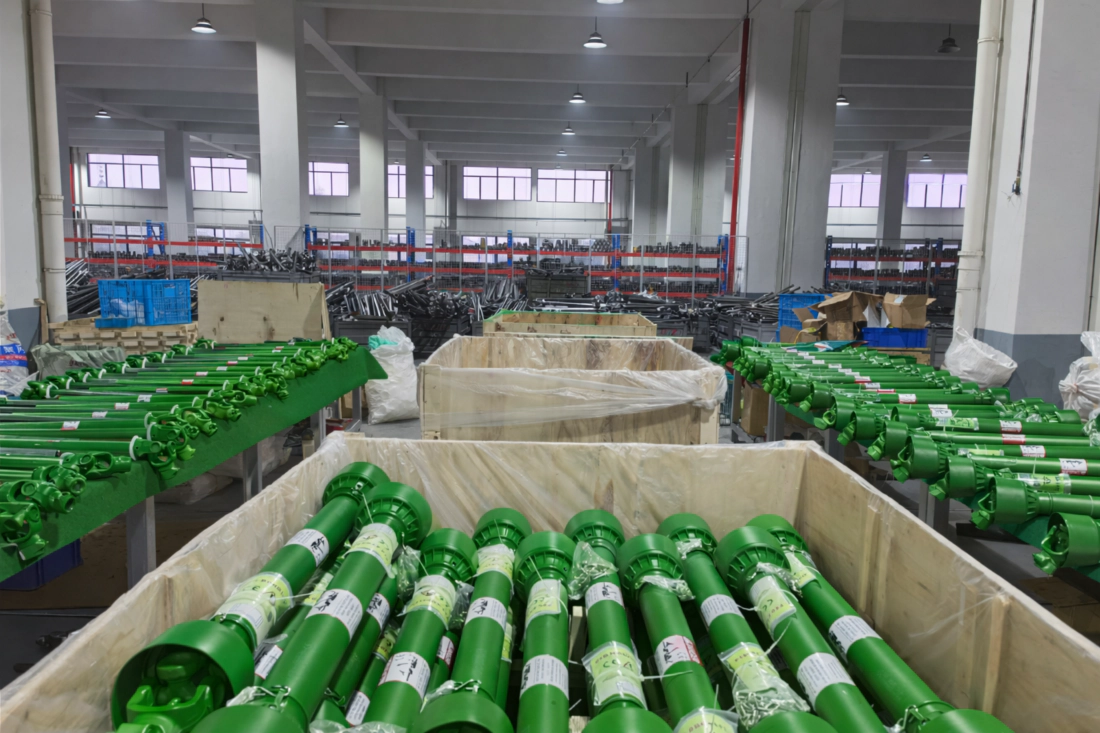
Don’t settle for “universal” parts that don’t quite fit. Our components are the exact ones we use in our factory production line.
Frequently Asked Questions
How much does a heavy duty round hay baler cost from a reliable Italy supplier for my farm?
Prices vary based on specs, but the real cost is in the downtime. We focus on providing a quote that covers a machine built to last 15+ seasons. It’s an investment in your peace of mind.
Where can I find a round hay baler manufacturer that provides custom gearbox configurations for high-altitude forage harvesting?
Right here! We’ve helped farmers from the Alps to the Andes. Our engineering team can tweak the drive system in our Netherlands facility before shipping to ensure you have the torque you need where the air is thin.
Which type of round hay baler is best for a professional straw supplier looking to maximize transport efficiency?
If you’re hauling straw long distances, you need the V-Series. The ability to dial in maximum density means fewer trips and more profit. It’s the professional’s choice for a reason.
Ready to Revolutionize Your Harvest?
Let’s talk about your specific needs. No pressure, just expert advice from one pro to another.