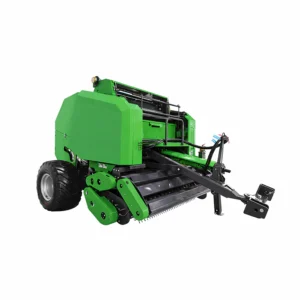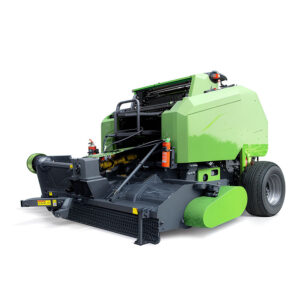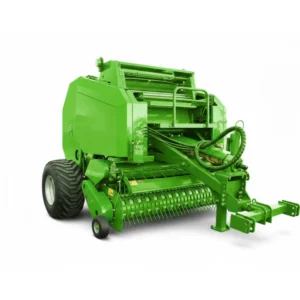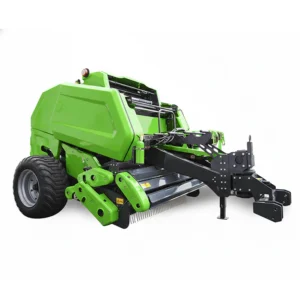

More Than a Bale: It's Forage Insurance
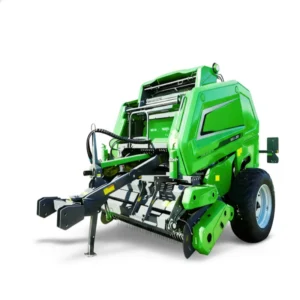
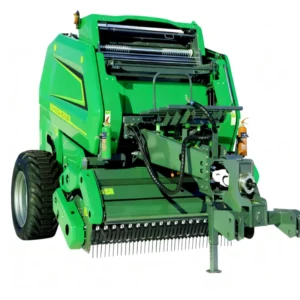
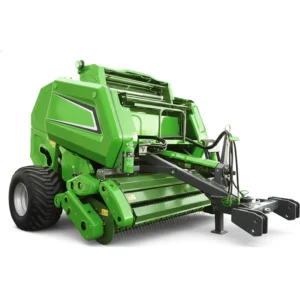
Walk away from the old grind of constant tension adjustments and uneven bales. The Superba Rotunda is engineered for the modern operation where time, fuel, and forage quality are all measured on the balance sheet. We've seen too many balers that just wrap hay; ours forms it. The initial pickup is gentle yet aggressive, minimizing leaf loss—that's the protein you're saving right there. The forming belt path is engineered for a smooth, consistent start to the core, which is the trick to a tight, solid bale that won't sag in the middle. And the net wrap system? It’s not an afterthought. It’s integrated to apply even, optimal pressure from the first to the last layer, giving you that classic, weather-defying cylindrical shape that stacks like a dream. For dairy, beef, or equine clients, this consistency translates directly to less waste at the feeder and predictable intake.
The real-world advantage comes down to resilience. A bale from the Rotunda sheds water better, sits tighter in storage, and suffers less spoilage. In our experience, that can mean a difference of 5-10% in preserved feed value over a wet winter compared to a poorly formed bale. That’s not just saved forage; that’s saved money you don’t need to spend on supplemental feed. Plus, with a simpler, more robust gearbox and chamber design than many competitors, your downtime doesn’t just steal hours—it steals opportunities during the narrow harvest window. We built this baler to work when you absolutely need it to.
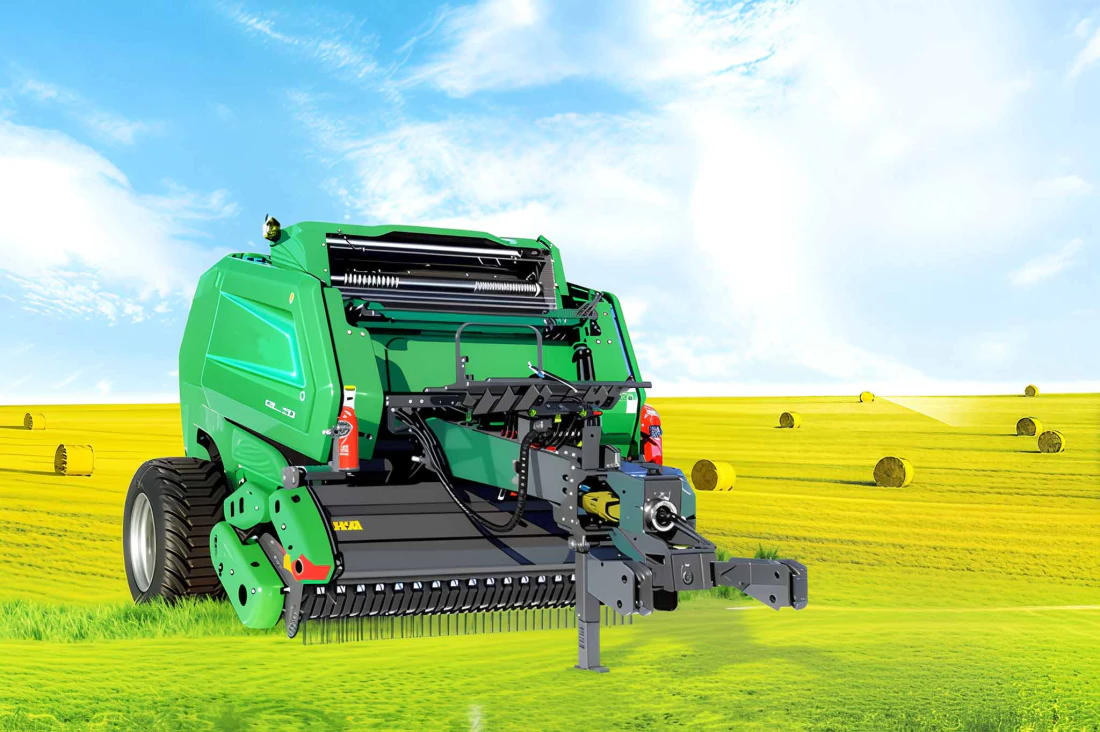
Six Pillars of Superior Performance
1. Legendary Density & Shape
Our patented forming chamber geometry applies consistent pressure, producing bales with superior core density and a perfect cylindrical shape for optimal weathering and stacking.
2. Italian Driveline Durability
Heavy-duty gearboxes and reinforced drivelines, sourced from Europe's best, are built to handle high-torque demands, dramatically reducing the risk of breakdown during critical harvest periods.
3. Intelligent Crop Adaptation
From fine alfalfa to tough rye straw, the automatic tension control system senses resistance and adjusts in real-time for the perfect bale in any crop condition.
4. Operator-Focused Simplicity
A clear, intuitive monitor and accessible service points make operation and daily maintenance straightforward, saving time and frustration.
5. Efficient Net Wrap System
The fast, reliable wrap cycle uses minimal netting to create a secure, weather-tight seal, protecting your forage investment without waste.
6. Low Total Cost of Ownership
Higher reliability, easier maintenance, and better fuel efficiency translate into lower costs per bale over the machine's long lifespan.
Finding Your Perfect Match: A Buyer's Guide
Choosing the right round baler isn't about getting the biggest one; it's about the right fit. The trick is to match the machine to your tractor's reliable PTO horsepower, not its maximum. An underpowered tractor will struggle and cost you more in fuel and wear and tear. Next, consider your typical bale size. Larger bales mean fewer handlings but require a heavier tractor to move them. What's your primary crop? Legume hay requires a gentle touch to preserve leaves, whereas straw can be baled more tightly and quickly. Do you need net wrap for weather resistance or twine for economy? Most modern operations prefer the net for its speed and coverage. Finally, think about service support. A great machine is only as good as the parts and expertise behind it. As your manufacturer, we ensure a direct line to the engineering team and a streamlined parts pipeline from our Italian factory.
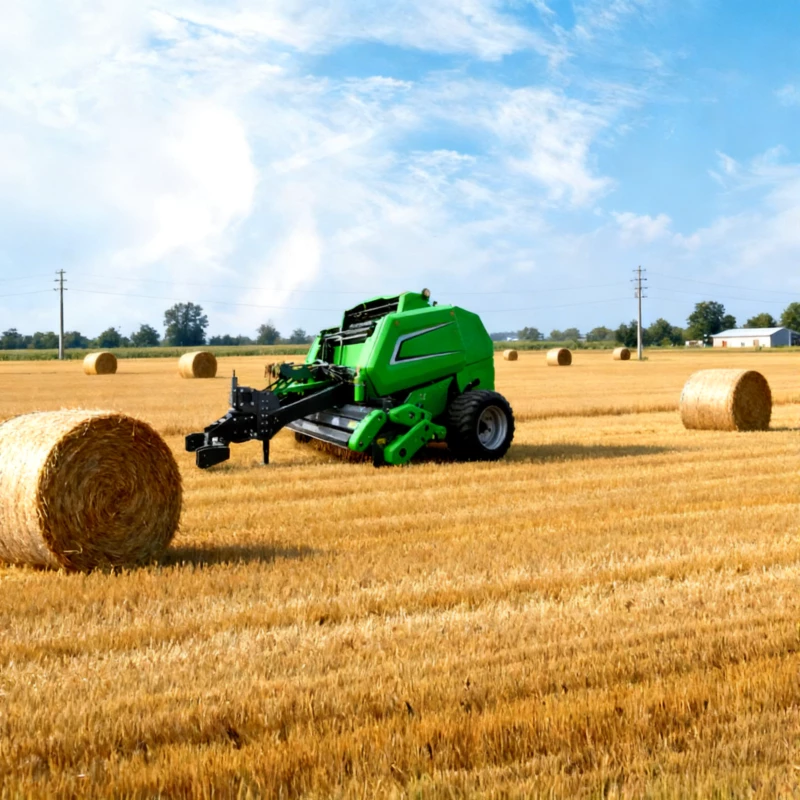
Beyond Hay: Versatility in the Field
The Superba Rotunda shines across a wide spectrum of forage and bedding tasks. Of course, it's the champion for dry hay—grass, alfalfa, clover—locking in quality. But its robust design makes it equally capable for straw baling after grain harvest, producing tight bales for bedding or biomass. For haylage or baleage operations, forming a dense, uniform core is critical for optimal fermentation and plastic wrap adhesion, and that's where our precision chamber really pays off. We've even seen successful use in corn stalk baling for bedding or supplemental feed, and in fiber crops like miscanthus. The key is its ability to adjust and form a solid package regardless of the material's texture or length, giving you one reliable machine for multiple enterprises on your farm.
From the Fields: What Growers Say
"We run three Rotunda 1500s on our dairy operation in Wisconsin, USA. The bale density is consistent, which is crucial for our feeding rations. The service we got when we needed a part was direct and fast. It just gets the job done with less drama than our old brand."
— Michael R., Dairy Farmer
"Here in New South Wales, Australia, we bale a lot of lucerne under tough, dry conditions. This Italian baler handles the crop gently, keeping leaf loss to a minimum. The bales hold their shape perfectly on our long hauls. A solid investment for quality-conscious producers."
— Sarah L., Hay Contracting Business
"Our mixed farm in Poland uses the Rotunda for rye straw and grass hay. For the price point, the durability has been impressive. The gearbox and chains are heavy-duty. It's simple to operate, which is important for our workers during the busy season."
— Jan K., Mixed Livestock Farmer
The Future of Baling: Connectivity & Precision
The next generation of round balers is moving beyond just mechanical excellence. The trend is toward integration and data. We see a future where the baler is a sensor platform, recording core moisture, bale density, and location in real-time. This data, fed into farm management software, creates a traceable record of forage quality from field to feeder. Another key trend is automation to combat labor shortages—think auto-steer compatible guidance systems and even more intuitive self-diagnostic monitors that predict maintenance needs. Furthermore, as alternative uses for biomass grow, balers may need to adapt to handle an even wider variety of materials efficiently. The foundation for all this, however, remains a reliably dense and well-formed bale. Our engineering focus is on building that intelligent, connected future on the rock-solid, proven mechanical platform we're known for today.
Frequently Asked Questions
What's the price of a new Rotunda baler for a mid-size farm in Texas?
Pricing varies by model and specification. For a Rotunda 1500 configured for net wrap suitable for a 120-150 HP tractor, you can expect an investment competitive with other premium brands. We provide transparent, all-inclusive quotes directly from our factory. Contact us for a detailed quote tailored to your needs.
How does your Italian baler compare to major US brands for reliability?
We build for global conditions. Our components, like gearboxes and bearings, are sourced from top-tier European suppliers known for durability. The design philosophy emphasizes simplicity in high-stress areas. Many users find our balers offer comparable, if not superior, uptime with excellent parts and service support through our network.
Which model is best for a small dairy farm in Ireland, baling grass silage?
For grass silage (baleage), a dense core is vital. The Rotunda 1250 is often an excellent fit for smaller Irish farms, matching common tractor sizes and producing a manageable bale for wrapping and handling. Its precise forming chamber ensures the tight core needed for good fermentation.
Where can I get parts for an Ever Power baler in South America?
We have established distributors and parts depots in key agricultural regions across South America. When you request a quote, we'll also connect you with the nearest support channel to ensure you have access to genuine parts and service expertise.
When should I consider upgrading to a variable chamber baler like the Rotunda?
Consider an upgrade if you're facing issues with bale shape consistency, poor density in different crops, or frequent maintenance on your old fixed-chamber machine. If forage quality and minimizing waste are priorities, the advanced control of a modern variable-chamber baler like the Rotunda offers a clear step up in performance and value preservation.