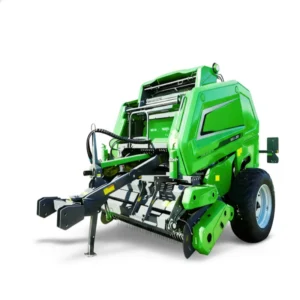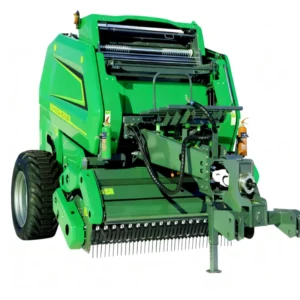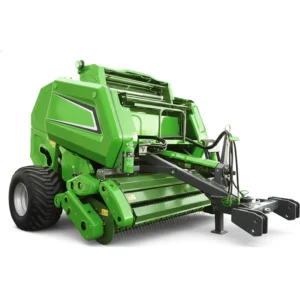
Custom Heavy-Duty Round Hay Baler Manufactured in Italy

High-density round hay balers direct from Ever Power, your premier Italian manufacturer. Request your custom quote today!
Look, over our 18 years in the field, if there’s one thing I’ve learned about running a proper round hay baler, it’s that downtime is the absolute enemy. When you're racing a storm, dealing with a direct factory and a reliable supplier changes the whole game. As a leading Italian manufacturer, Ever Power knows that slapping some steel together isn't enough. You need precision, you need sheer crushing density, and you need a machine that doesn't quit when the windrows get heavy.
We’ve seen too many good folks struggle with subpar equipment right when the crop is perfectly cured. The trick is understanding that your baling equipment isn't just a tool; it's the heart of your forage preservation. When you pull into that field, the peace of mind knowing your machine will eat up whatever you throw at it—that's what we engineer into every unit.
🚜 The Core Overview: Why This Changes Your Harvest
A lot of folks look at a baler and just see a metal box with some belts or rollers. In our experience, the true magic happens in the intake and the chamber pressure. The primary purpose of our round hay baler is to take cut forage—whether that's dry hay, slippery straw, or heavy, wet silage—and compress it into tightly wrapped, weather-resistant packages that lock in nutritional value.
Why does this matter? Because loose bales mean oxygen gets in, and oxygen means spoilage (and nobody wants to feed moldy hay to their herd). Our machines are built with an oversized, cam-less pickup that aggressively feeds the crop into the rotor. This constant feeding minimizes blockages. Even if you do plug it up—which, let's be honest, happens to the best of us when we push the speed a bit too much—the hydraulic drop floor lets you clear the plug right from the tractor cab. You don't even have to get your hands dirty. That alone saves hours of frustration over a season.
⚙️ Technical Specifications
I always tell operators to know their numbers. Here is the breakdown of what this beast brings to the table:
| Product Model: 9EP-1.25A6 | Matching Power: 111.85 - 150.59 Kw |
| Drive Mode: PTO Output | Working Speed: 6-12 km/h |
| Bale Size: Diameter 1250 * Length 1250 mm | Soil Content: < 15% |
| Pick-up Width: 2200 mm | Execution Standard: GB/T14290-2021 |
| Patent No.: ZL 2017 2 0612476.X | Overall Dimensions (L*W*H): 4.37 m × 2.8 m × 2.37 m |

✨ Beyond Standard: The Real Field Advantages
You can read a brochure anywhere, but let me tell you what these features actually mean when the sun is setting and you've got 50 acres left to roll.
1. Cam-less Pickup Design 🌾
Most operators don't realize how much horsepower is wasted turning a traditional cam track. By stripping that out, we reduce moving parts by nearly 30%. That means less wear, fewer broken tines, and it pulls crop in smoother at higher ground speeds. It's a quieter operation, too.
2. Hydraulic Drop Floor 🚜
I mentioned this earlier, but it deserves its own spotlight. Hitting a wet lump of crop and stalling the rotor is the worst. With our system, you drop the floor from the monitor, engage the PTO to pass the lump into the chamber, raise the floor, and keep driving. It saves your back and your clutch.
3. High-Density Pressure System 📦
Shipping air is expensive. We utilize heavy-duty hydraulic tensioning that packs the bale incredibly tight from the core to the outer edge. A denser package sheds water better and means fewer trips across the field to gather them up.
4. Edge-to-Edge Net Wrapping 🕸️
A bale is only as good as its wrap. Our positive-feed net system stretches the net right over the edges of the bale. This prevents the shoulders from drooping and significantly reduces weather spoilage when stored outside (which we all end up doing eventually).
5. Italian Forged Gearboxes ⚙️
Being an Italian manufacturer, we don't cut corners on metallurgy. The main drive gearboxes are forged in-house, designed to handle the massive torque spikes that happen when a heavy bale is forming. You won't be shearing drive pins every afternoon.
6. Centralized Auto-Lube System 🛢️
Let’s be real, nobody likes crawling under a hot machine with a grease gun at 8 PM. Our automated system delivers the exact right amount of grease and chain oil to all critical bearings and drive chains continuously. Your maintenance time drops to almost zero.
🎯 Navigating the Options: Choosing Your Machine
We’ve seen a lot of guys just buy whatever is sitting on the local dealer's lot, and they pay for it later when the machine doesn't match their crop. Matching the iron to the farm is a science.

Fixed Chamber vs. Variable Chamber
If you are pushing heavy, wet grass for silage (usually around 40-60% moisture), a fixed roller chamber is your best friend. The steel rollers grip the wet crop securely and form a consistent size every single time. However, if you are doing dry hay or straw and want flexibility in the size of the package you're making, variable chamber belts are the way to go. Belts let you adjust the diameter right from the monitor, perfect for custom operators who have different clients wanting different sizes.
Assess Your Tractor HP
It's tempting to buy the biggest baling equipment we offer, but you have to respect the power requirements. If you're running an 80 HP utility tractor, you cannot drag a fully loaded 5x6 silage baler up a hill. Always leave a 15-20% buffer in PTO horsepower. Running a tractor at its absolute maximum limit all day is a recipe for an overheated engine and a ruined transmission.
Rotor Cutter or Feed Rotor?
Are you feeding a total mixed ration (TMR) mixer? If so, get the chopping rotor. Pre-cutting the crop into 2-inch lengths as it enters the chamber means your mixer wagon will process the bale in half the time, saving massive amounts of diesel over the winter. If you're just unrolling bales in a pasture, standard feed rotors will do just fine.
🌾 Where It Shines: Field Applications
A true workhorse doesn't flinch when the crop changes. We engineer these units to be adaptable.
- Premium Alfalfa: The key here is leaf retention. Alfalfa leaves hold the protein. Our smooth intake and belt tension control allow you to build a soft core, preventing the delicate leaves from being pulverized and blown out the back.
- Wheat & Barley Straw: Straw is slick, dry, and notoriously hard to start a core with (ask any custom operator!). Our aggressive starter rollers ensure the bale starts spinning immediately, avoiding that dreaded clump that stalls the machine.
- High-Moisture Silage: Baling wet grass is like trying to roll up wet concrete. Our heavy-duty bearings and reinforced tailgate latches take the immense pressure of a 2,000 lb wet bale without bending or warping.
- Corn Stalks: Baling corn stover is brutal on iron. The stalks are abrasive and tough. We offer a specialized hardox steel rotor and heavy-duty chains specifically for guys putting up stalk bales for winter bedding.
💬 Voices from the Field
Don't just take it from me. Here is what operators across the globe are saying after a few tough seasons:
"Running a custom contracting crew in Western Australia means we hit massive wheat straw paddocks. Standard machines would slip and fail to start a core in the heat of the day. The Ever Power baler just eats it up. The density is insane—we pack more tons on our road trains now, which cuts our transport costs significantly."
— Liam T., Custom Harvester (Australia)
"We manage a large dairy in Normandy, and putting up high-quality ryegrass silage is our priority. I was skeptical about changing our supplier, but the chopping rotor on this Italian machine is incredibly precise. The bales ferment beautifully, and the drop-floor feature saved us during a wet harvest when the crop was clumping."
— Jean-Marc D., Dairy Farmer (France)
"Down here in Texas, bermudagrass can be tough, especially on the later cuttings. The cam-less pickup has been a game changer. Less noise, zero broken tines all summer, and the automatic greaser means I just blow it off with compressed air at night and go to bed. Best investment we've made."
— Samuel R., Cattle Rancher (USA)
📈 The Horizon: Where Baling Technology is Heading
If you've been around tractors as long as I have, you know the industry doesn't stand still. We are witnessing a massive shift towards what we call "Smart Baling."
Right now, the integration of ISOBUS technology is revolutionizing the cab. The baler is no longer a dumb implement; it's talking to the tractor. We're seeing Tractor-Baler Automation (TBA) becoming the standard. The implement actually tells the tractor to stop when the chamber is full, applies the net wrap, opens the tailgate, drops the load, and closes it—all without the operator touching a pedal. It dramatically reduces driver fatigue on those 14-hour days.
Moisture sensing is another frontier. Integrated microwave sensors in the chamber now give real-time moisture readouts to the cab, allowing operators to apply precision preservatives on the fly only to the wet spots in the windrow. This ensures perfect forage quality without wasting expensive acid.
❓ Field Notes: General Questions
What is the typical lifespan of the chamber belts?
In our experience, if you maintain proper tension and avoid wrapping sharp debris, high-quality seamless belts will easily last between 10,000 to 15,000 bales. Periodic inspection of the belt lacings is critical.
Can I use both net and twine on the same machine?
Yes. Our machines come standard with a dual-tie system. While 90% of our customers use net wrap for speed and weather resistance, having the twine option is great for older handling equipment or specific market demands.
How much horsepower is actually needed?
For a standard 4x5 dry hay operation, 75-85 PTO HP is adequate. However, if you are running a chopper rotor on heavy silage, you will need upwards of 110-130 PTO HP to maintain ground speed without bogging down.
🗣️ Quick Answers for Your Farm
How much does a custom round hay baler cost from an Italian supplier?
The exact price depends on features, but custom round balers from our factory generally range from $35,000 to $65,000. Contact us for a direct quote.
Which round baler manufacturer offers custom quotes for heavy wet silage?
Ever Power is a premier manufacturer in Italy providing custom quotes and specialized heavy-duty equipment perfectly engineered for dense, wet silage operations.
Where can I find the best round baler price quote for dairy farms?
You can get the most competitive, direct-from-factory price quote for dairy farm baling equipment right here on our website by contacting our sales team.
What is the best agricultural machinery for baling alfalfa in Europe?
Our custom variable chamber balers are the best agricultural machinery for European alfalfa, offering precise tension control to protect valuable leaves during harvest.
Ready to Upgrade Your Harvest?
Stop losing time and crop quality to outdated equipment. Let's spec out the perfect machine for your operation.
Additional information
| edited | by hyw |
|---|
Related products
-
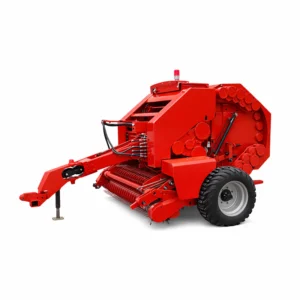
Custom Heavy-Duty Round Hay Balers Engineered in Italy
-
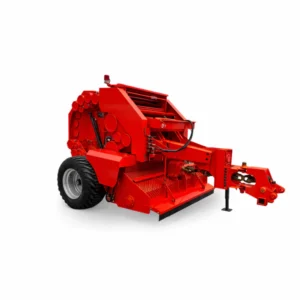
Extreme-Duty Custom Round Hay Baler by Ever Power Italy
-
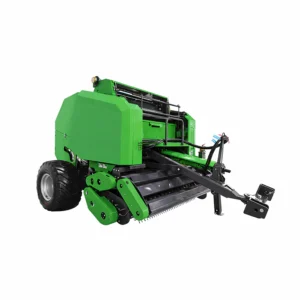
Ever Power Heavy-Duty Round Hay Balers
-
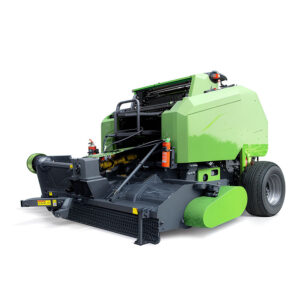
Custom Round Hay Baler by Italy Ever Power
-
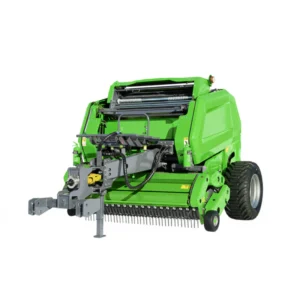
Round Baler Built in Italy for Global Farming
-
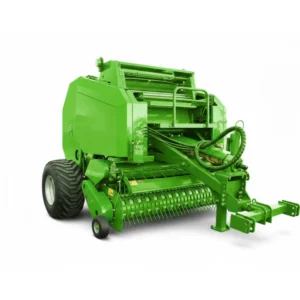
Italian Round Hay Baler – High-Density, For Sale Worldwide
-
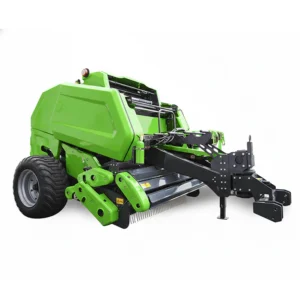
Agricultural Round Hay Baler For Sale In Italy