Where the Cure Begins: More Than Just Raking
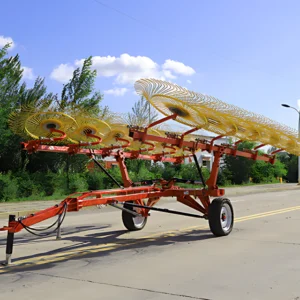
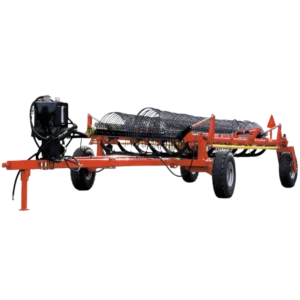
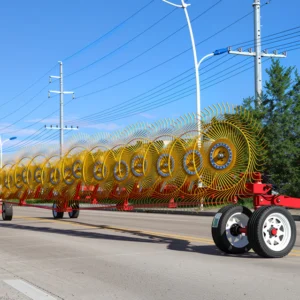
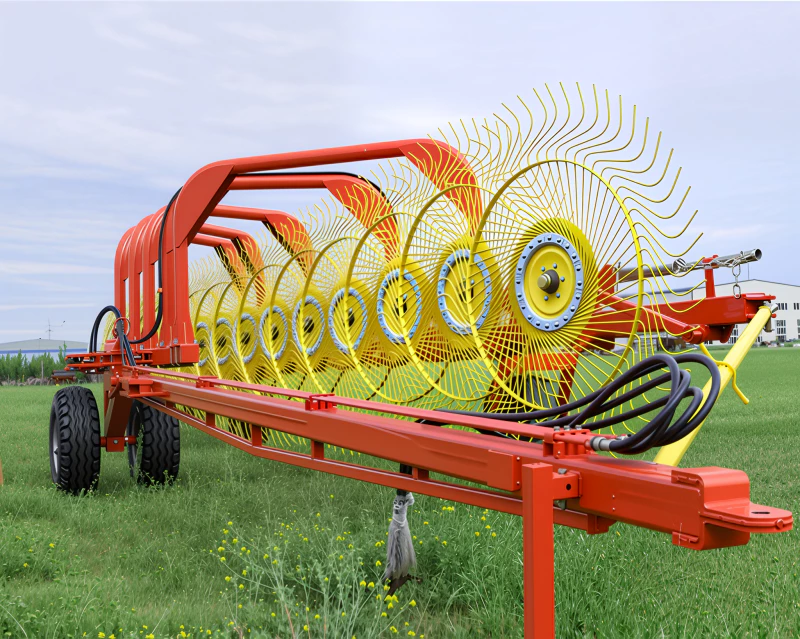
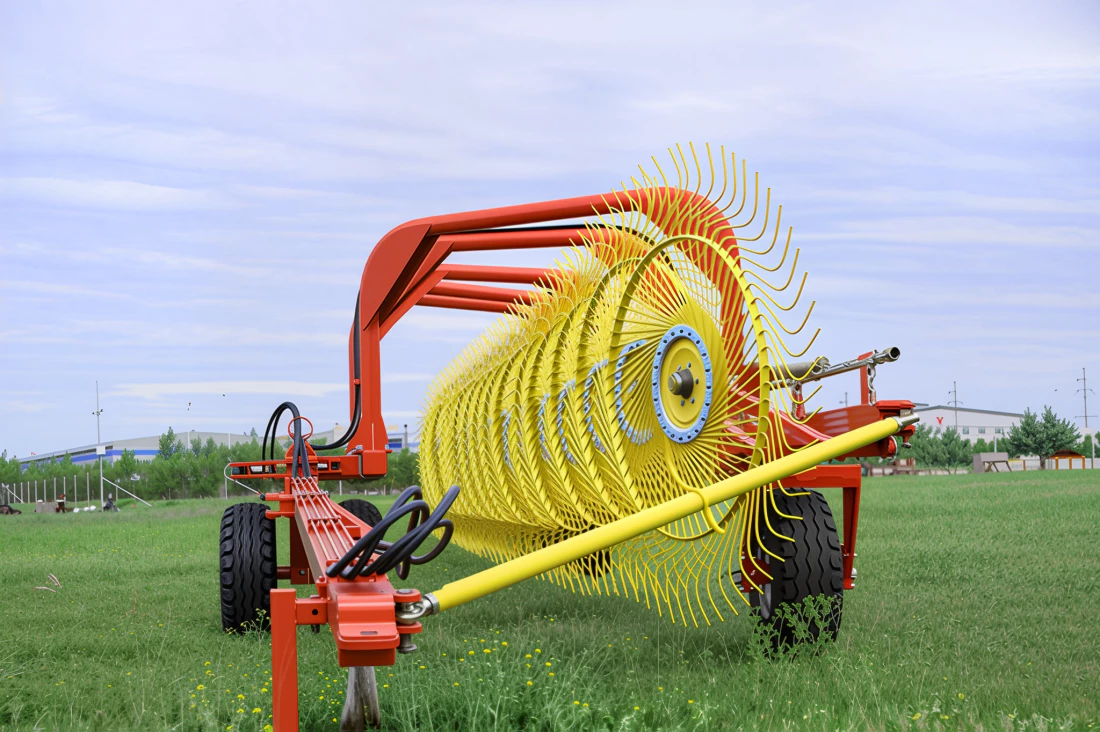
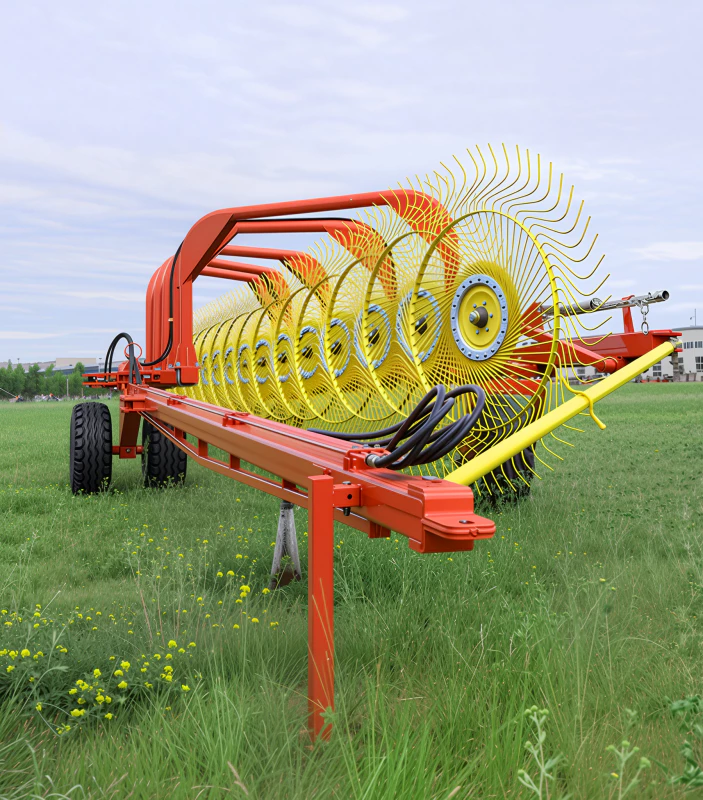
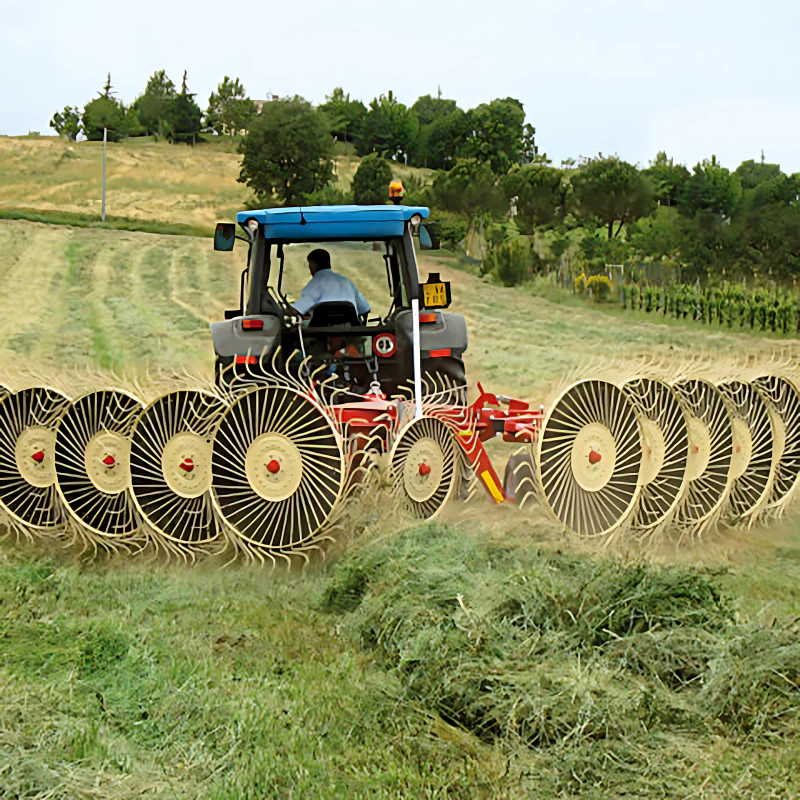
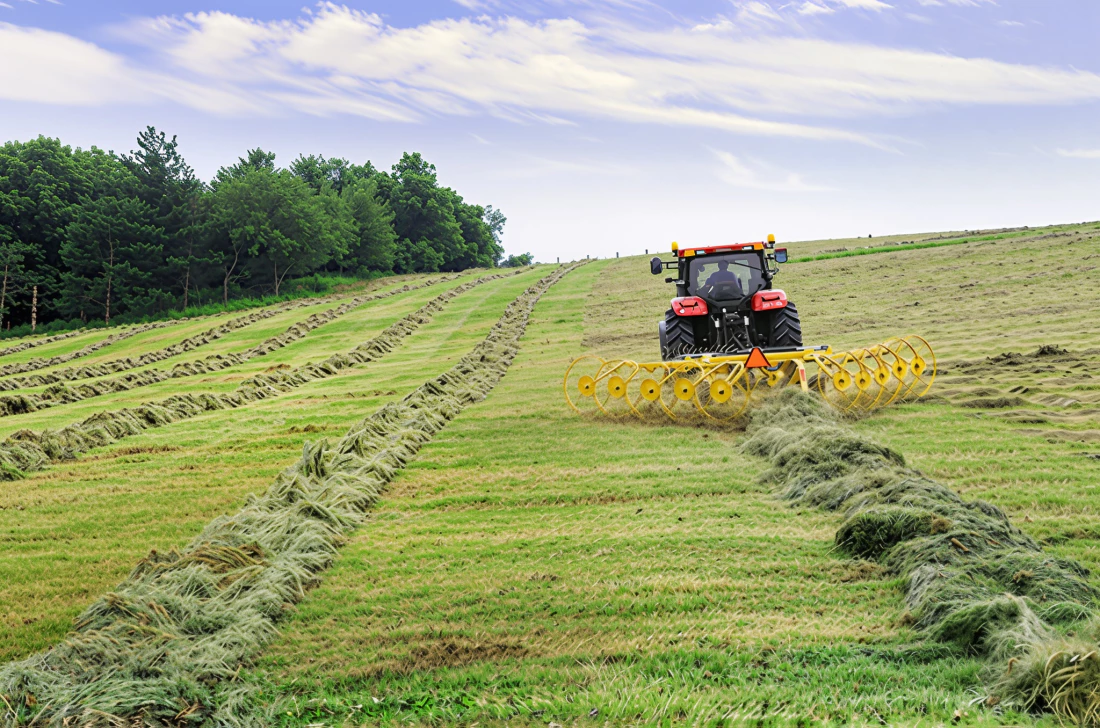
Forget the old days of harsh, hay-beating rakes that stripped precious leaves (where the protein lives) and left you with a dense, damp mat. The Vento 1500 operates on a principle of *lifting and rolling*. Each independently suspended finger wheel glides over the ground, its long, flexible tines gently gathering the crop with a rolling motion rather than a dragging or beating action. We've seen the difference in the swath: less soil contamination, minimal leaf loss, and a final windrow that's loose and fluffy—almost like it's floating on the stubble. This isn't just neater looking; it's functional. That fluffy structure allows air to circulate freely underneath and through the windrow, which is the absolute key to consistent and rapid drying, whether you're dealing with alfalfa, grass, or clover.
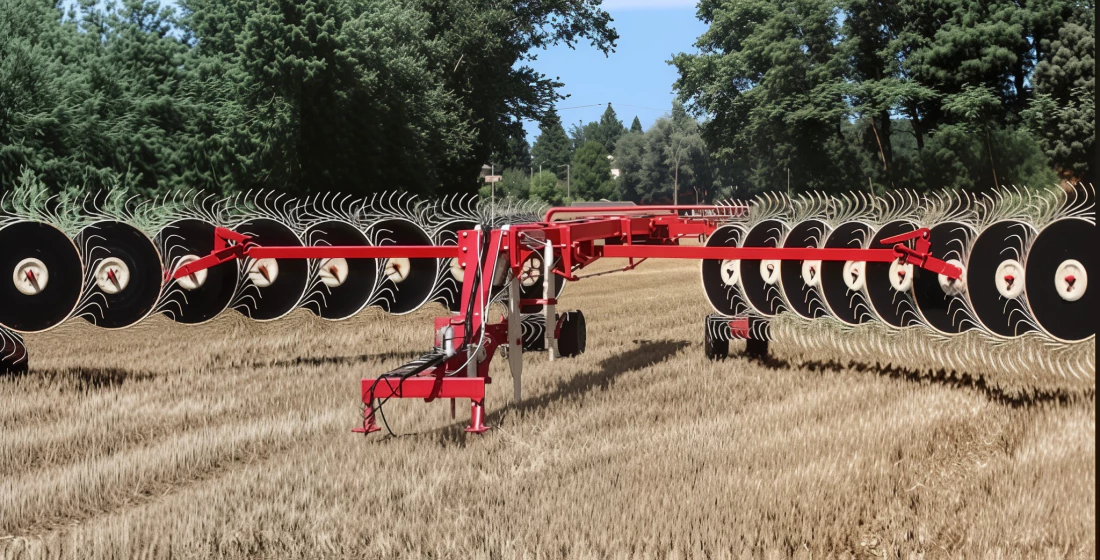
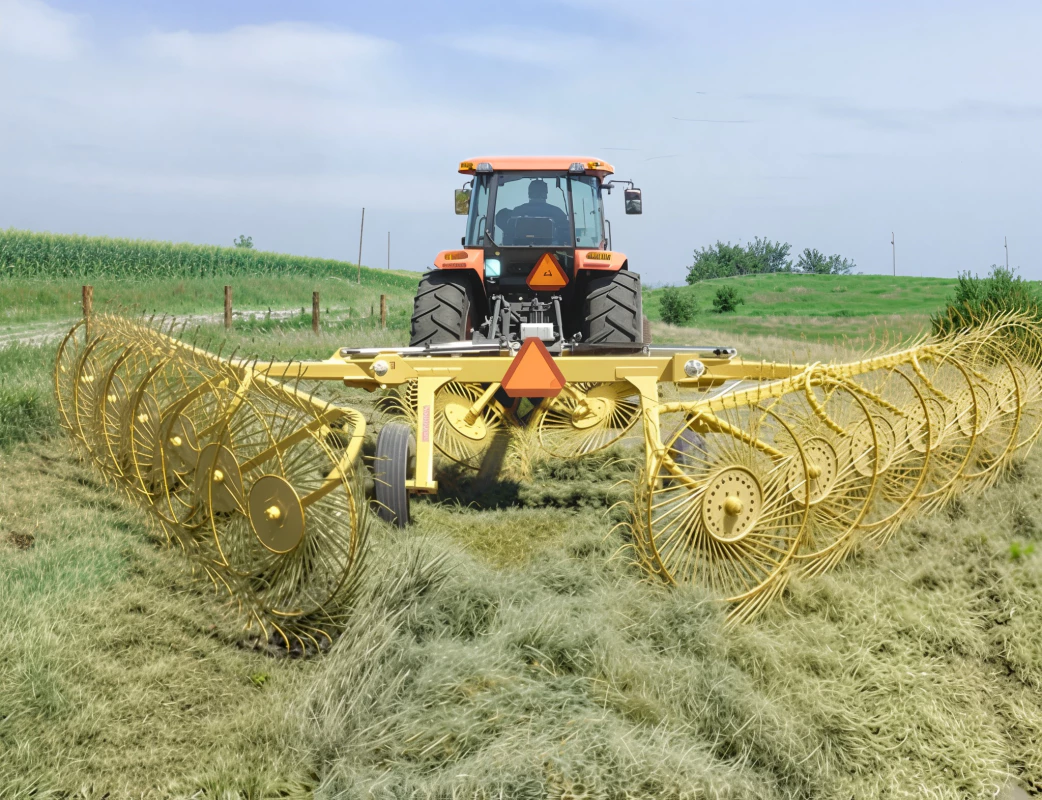
The 15-disc width is a game-changer for efficiency. It allows you to merge two, sometimes three, modern cutter bar swaths in a single pass. This consolidates the crop, reducing the number of passes the baler has to make, which saves time, fuel, and reduces soil compaction. But the trick is doing this merge without creating a giant, impenetrable rope of hay. The Vento's wheel spacing and gentle action prevent that, building a windrow with a consistent density from end to end. In our experience, this level of preparation can shave hours—sometimes even a full day—off your drying time, getting your hay into the bale at the ideal moisture content and safeguarding your investment from weather risks.
Technical Specifications: Engineered for Efficiency
Below are the core specifications for the Vento 1500. These dimensions and capacities define its field performance and compatibility with your operation.
| Item | Unit | Specification |
| Structural Form | / | Ratchet type |
| Suspension Mode | / | Lifting type |
| Model Number | / | 9LZY-9.0 |
| Power Supply | kW | 50-55 |
| External Dimensions | m | 8.4×11×1.75 (working condition) |
| Machine Weight | kg | 1100 |
| Working Width | m | 9 |
| Working Speed | km/h | 8~10 |
| Transport Speed | km/h | 12 |
| Disc Number | pcs | 15 |
| Disc Number per Plate | pcs | 900 (15 plates × 60 teeth/plate) |
| Operators Required | persons | 1 |
| Grass Row Width | m | 0.8-1.2 |
| Loss Rate | % | ≤2% |
| Production Rate | hm²/h | 7.2-9 |
Why the Vento 1500 Transforms Your Haymaking
1. Unmatched Leaf Retention
The flexible, long tines and rolling action gently handle the crop, significantly reducing shatter loss of valuable legumes like alfalfa, preserving protein and yield.
2. Perfect, Fluffy Windrows
Builds uniform, well-aerated windrows that promote rapid and even drying from top to bottom, reducing the risk of mold and spoilage in the bale.
3. High-Capacity 15-Disc Design
Covers more ground per pass, efficiently merging multiple swaths to boost productivity and speed up the entire haying operation.
4. Excellent Ground Following
Independently suspended wheels contour over uneven terrain, ensuring clean raking and minimal dirt pickup for higher quality forage.
5. Simple, Robust Mechanics
Built with heavy-duty sealed bearings and a simple gearbox-less design (on many models), it offers remarkable reliability with minimal maintenance.
6. Easy Adjustment & Transport
Wheel angle and height are easily adjusted for different crop conditions. The frame folds hydraulically for a narrow, safe road transport width.
Selecting Your Ideal Hay Rake: A Practical Guide
Choosing the right rake isn't one-size-fits-all; it's about matching the tool to your land, your crop, and your system. First, consider your average field size and shape. Larger, open fields benefit immensely from the width and speed of a 15-disc rake like the Vento 1500. For small, irregular paddocks, a smaller, more maneuverable unit might be better. Next, your primary crop type is crucial. If you're growing high-value legumes (alfalfa, clover), gentle handling is non-negotiable—a finger-wheel design is superior to rotary rakes for this. For grassy hay, capacity might be your bigger focus. What's your tractor horsepower? While rakes are not huge power consumers, ensure your tractor is comfortable with the width and weight. Finally, think about your end goal: are you making dry hay where a fluffy windrow is key, or baleage where you might want a slightly denser merge? The Vento's adjustable wheels let you fine-tune for both.
Built for Diverse Crops and Conditions
The Vento 1500's gentle yet effective design makes it a versatile performer across various forages and farming systems. It is the ideal choice for dry hay production of all types, where preserving leaf matter and achieving fast drying are paramount. For organic hay producers, minimizing soil inclusion is a direct quality and certification benefit, which this rake's ground-following design supports. In dairy forage systems focused on supreme quality, the gentle action safeguards the nutrient density of the feed from field to bunk. It also excels in seed crop conditioning, where gently turning and aerating the swath without damaging the delicate seed heads is critical. Even for large-scale stockpile grazing operations that window grass for winter feed, its efficiency and reliability make it a valuable tool. Its core strength is doing a quality job across the board, not just a fast one.
Grower Stories: Reliability in the Field
"We put about 500 acres of mostly alfalfa through this rake each year in Ontario. I was skeptical about moving from a rotary, but the leaf loss is noticeably less. The windows it makes are just so uniform; the baler loves them. It's simple and just keeps going."
— David H., Hay Producer, Canada
"On our mixed livestock farm in the UK, we deal with a lot of rainy windows. Getting hay to dry quickly is everything. This Italian rake leaves it so fluffy it dries a good half-day quicker than our old one. The 15-disc width gets the job done fast between showers."
— Emma C., Livestock Farmer, United Kingdom
"Here in Uruguay, we run large-scale grass hay operations. Durability and speed are key. We've been using two Vento 1500s for three seasons with almost zero downtime. The build quality is solid, and the service from the supplier was direct and helpful when we needed a spare part."
— Carlos M., Ranch Manager, Uruguay
The Future of Hay Conditioning: Data and Integration
The next wave in hay tools isn't just about stronger steel; it's about smarter operations. We see a trend toward instrumentation and connectivity. Imagine rakes equipped with simple sensors that monitor ground speed, wheel load, or even provide a basic estimate of crop flow—data that could help optimize tractor gear and fuel use. Another clear trend is enhanced operator comfort and automation, with more intuitive hydraulic controls and even guide systems that help maintain perfect overlap on wide merges. Furthermore, as tractor horsepower continues to rise and farms consolidate, there is a steady demand for wider, higher-capacity implements that maintain quality—a space where the 15-disc design is perfectly positioned. The enduring principle, however, will remain gentle, efficient crop handling. Our focus is on evolving our designs to integrate these smart features onto the proven, reliable mechanical platform that farmers trust.
Common Questions from Haymakers
What's the price range for a new 15-disc finger wheel rake in the USA?
As a manufacturer, we offer competitive pricing that provides excellent value against major brands. For a fully-featured Vento 1500 with hydraulic fold, you can expect an investment that prioritizes long-term durability and performance. Contact us for a firm, no-obligation quote tailored to your location.
How does a finger-wheel rake compare to a rotary rake for my farm in New Zealand?
For NZ's often-damp conditions and focus on quality, finger-wheel rakes have an edge. They're gentler, cause less leaf loss, and typically pick up less soil from soft ground. Rotary rakes are faster on very heavy crops but can be harsher. For most dairy-focused operations, the gentle merge of a finger-wheel is preferred.
What's the main maintenance required on a rake like the Vento 1500?
It's refreshingly simple. The main tasks are greasing the wheel bearings regularly (check your manual), checking and tightening bolts at season start, and inspecting/replacing worn tines as needed. Keeping it clean and stored under cover dramatically extends its life.
Which model is suitable for a small 50-acre horse farm in France?
For a farm of that size, a 15-disc model like the Vento 1500 is an excellent, efficient choice. It will handle the work quickly, and its gentle action is perfect for producing high-quality, leafy hay for horses. Ensure your tractor is compatible in terms of hydraulic outlets for folding and weight.
Where can I get replacement tines and parts in South Africa?
We support a network of distributors and partners globally. When you purchase a Vento rake, we ensure you have access to genuine spare parts, including tine kits and bearings, through local channels or direct from our factory to ensure minimal downtime for your operation.