🛠️ There is nothing quite like the smell of a smoking bearing or the sight of a shredded belt when the sun is dropping and you’ve still got fifty acres of straw on the ground. As a premium round hay baler manufacturer, our factory produces heavy-duty machines where the core advantage is our synchronized belt tracking system that reduces heat build-up by 30%. When you source from a direct supplier like us, you aren’t just buying iron; you’re buying a machine designed to survive the brutal vibration of a high-speed harvest season. The trick is knowing that even the best Italian-engineered baler needs a bit of grease and attention to keep those high-density bales rolling out hour after hour.
In our experience, spanning over 18 years of crawling inside chambers and rebuilding drivelines, we’ve seen that most operators don’t realize how much a single loose bearing can sabotage an entire season’s profit. It’s funny, actually—you’ll see a guy spend a fortune on the latest tractor but then let his baler belts run with an inch of “dog-leg” tracking until the edges are frayed to bits! We always tell our clients that the belts are the lungs of the machine; if they can’t breathe and move freely, the whole operation just suffocates. (Trust me, digging out a jammed chamber in 100-degree heat is not how you want to spend your Friday afternoon!)

Beyond the obvious visual checks, the “imperfections” of field life mean you’re constantly dealing with dust, grit, and acidic sap that eat away at your rollers. We’ve seen machines come back to the factory after only two years looking like they’ve been through a war zone simply because the operator ignored the “chirp” of a dry bearing. Most printers of those fancy manuals make it look easy, but the reality is that maintenance is a messy, hands-on job that separates the professionals from the hobbyists.
🚜 Italian Engineering: The Ever Power Round Hay Baler Overview
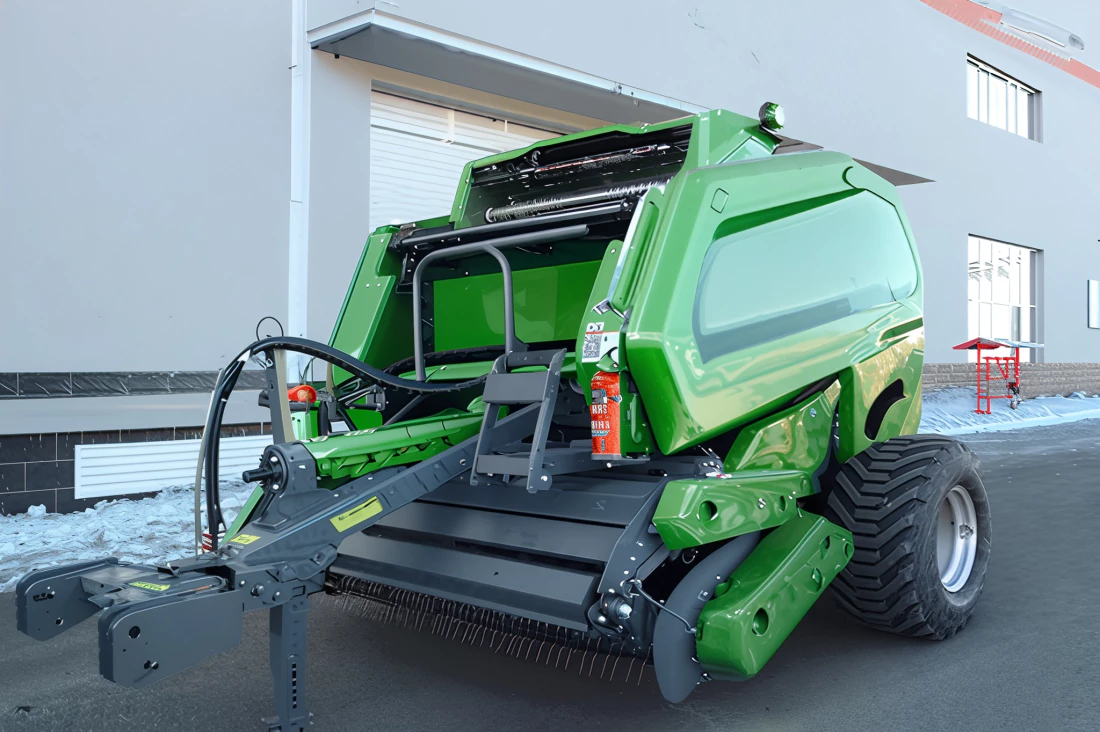
Our current lineup of large round hay balers represents the pinnacle of Italian agricultural engineering, specifically tuned for the grueling demands of biomass and commercial forage operations. We don’t just build “standard” machines; we provide custom-configured solutions that handle everything from slick wheat straw to abrasive corn stover. The primary advantage of our variable chamber design is the ability to maintain consistent core density, which is something we spent years perfecting in our R&D center near Milan.
When you look at our latest series, you’ll notice the extra-wide camless pickup. Why camless? Because we’ve seen too many cam-track bearings shatter under high-speed operation. By eliminating the cam, we’ve reduced the moving parts and noise, making the machine far more reliable in the long run. It’s about creating a machine that “eats” the windrow without hesitation, even when you’re pushing the limits of your tractor’s PTO.
⚙️ Technical Parameters & Specifications
| Model Feature | High-Performance Spec |
|---|---|
| Bale Size (Width x Dia) | 120cm x 100-165cm (Adjustable) |
| Pickup Width | 2200mm (Super-Wide Camless) |
| Tractor PTO Power | 90 – 140 HP (Optimal) |
| Chamber Type | Variable Geometry (High-Density) |
| Belt Material | Reinforced 3-Ply Seamless Rubber |
| Tine Material | High-Carbon Spring Steel |
💎 Why Ever Power Stands Out: 6 Core Advantages
1. Reinforced Seamless Belts
We use a specialized 3-ply rubber compound that resists the “stretching” common in cheaper machines. No seams mean no weak points to snag on stalks.
2. Oversized Industrial Bearings
Every rotating shaft sits in a double-sealed, oversized bearing housing. It’s overkill for hay, but it’s exactly what you need for heavy corn stalks.
3. ISOBUS Intelligent Control
Our Italian-designed control unit lets you monitor belt tension and bale shape in real-time. It even alerts you before a bearing gets too hot!
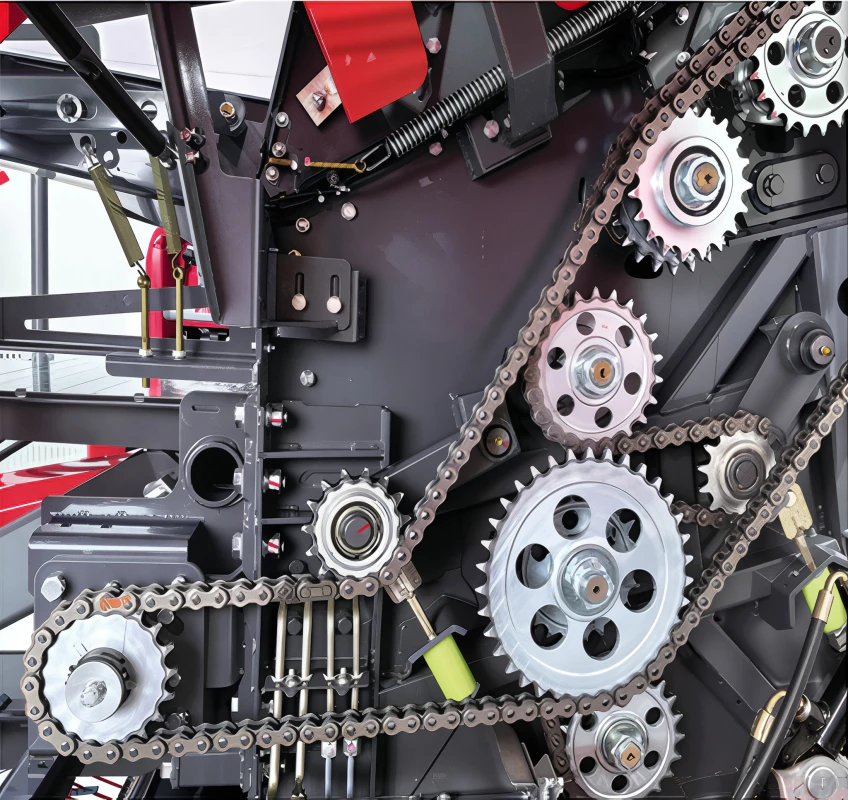
4. Automatic Oiling & Greasing
Why waste 30 minutes every morning? Our automated system delivers a precise amount of lubricant to every chain and bearing while you work.
5. Hydraulic Drop Floor
Jams are inevitable when you hit a massive clump. Instead of using a pry bar, just drop the floor from the cab, pass the clog, and keep moving.
6. High-Carbon Pickup Tines
Our tines are built to flex without snapping. We’ve seen these tines survive rocks and irrigation pipe that would’ve shredded a standard pickup.
🔍 How to Choose Your Perfect Round Hay Baler
Choosing a baler isn’t about looking at the shiny red paint—it’s about matching the machine to your tractor’s reality. If you’re pulling a 5×6 baler with an underpowered 80 HP tractor on a hill, you’re going to be disappointed. In our experience, we always recommend having about 15% more HP than the minimum requirement to account for the heavy weight of a high-density bale.
Another thing to consider is the “binding” type. Are you storing outside? Then you need Net Wrap. If you’re just doing short-term storage for a local feedlot, twine might save you a few bucks, but it’ll cost you more in nutrient loss. We always tell folks: “The net wrap is your insurance policy against rain.”

🌾 From Alfalfa to Corn Residue: Versatile Applications
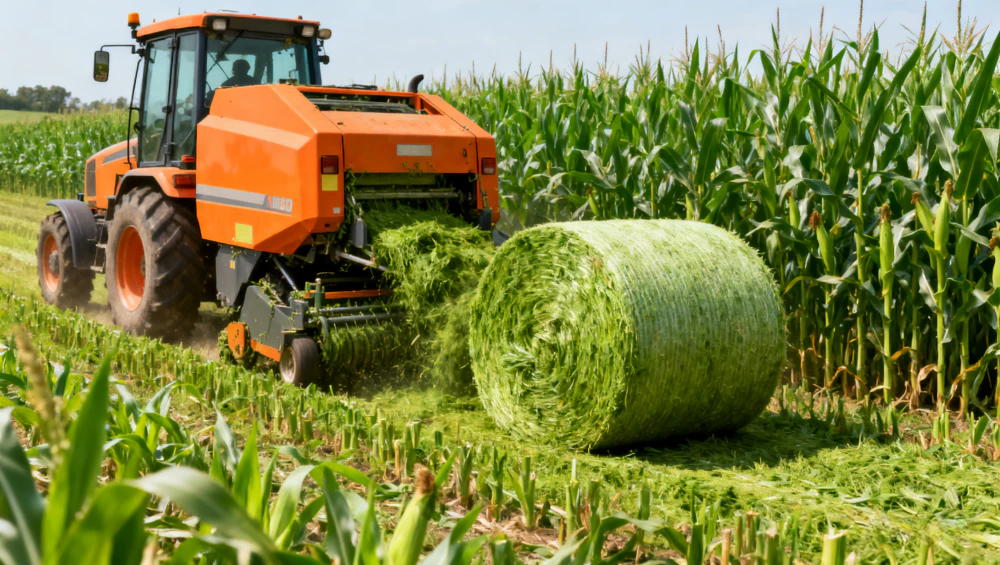
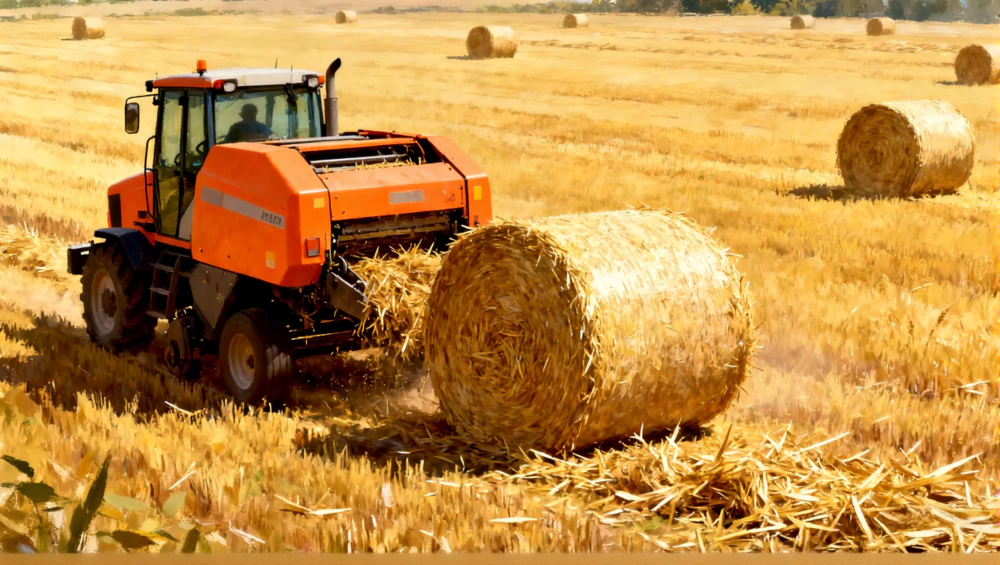
One day you’re in a lush field of alfalfa, and the next you’re cleaning up corn stalks after the combine. Our baler is designed for this transition. For dry, brittle straw, the camless pickup ensures minimal leaf loss. For high-moisture silage, the stainless steel chamber options prevent the “sticking” that drives operators crazy.
🌎 Voices from the Field: Real Feedback
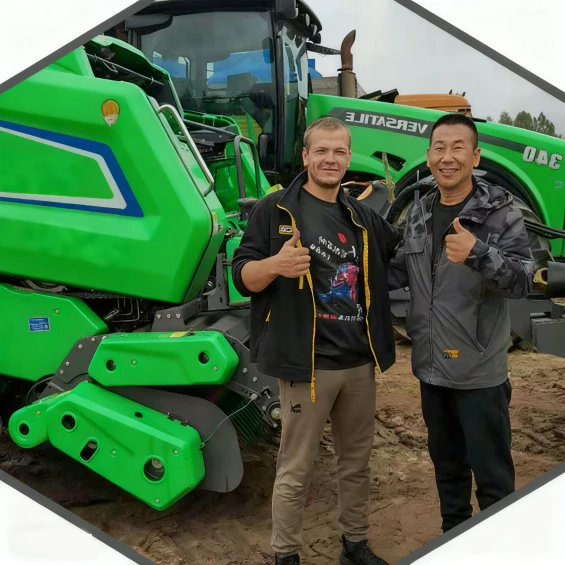
“Running a custom crew in Texas means I need a machine that doesn’t choke when it gets dusty. I bought two of these balers directly from the factory last year. The bearings haven’t even warmed up, even after 4,000 bales of tough wheat straw. The auto-greaser is a lifesaver.”
— Marcus T., Forage Contractor, Texas, USA 🇺🇸
“In Italy, we bale everything from rice straw to biomass. The Ever Power baler’s density is what won us over. We are getting about 15% more weight into each bale than our old brand, which makes transport much more efficient.”
— Giovanni R., Biomass Logistics, Lombardy, Italy 🇮🇹
“The corn stalks in Inner Mongolia are as tough as they come. Most balers lose their pickup tines within a week, but these high-carbon tines just keep flexing. Sourcing from a reliable Italian manufacturer has really changed our yield quality.”
— Zhang W., Agriculture Cooperative, China 🇨🇳
⛓️ Driveline Precision: PTO Shafts & Gearboxes
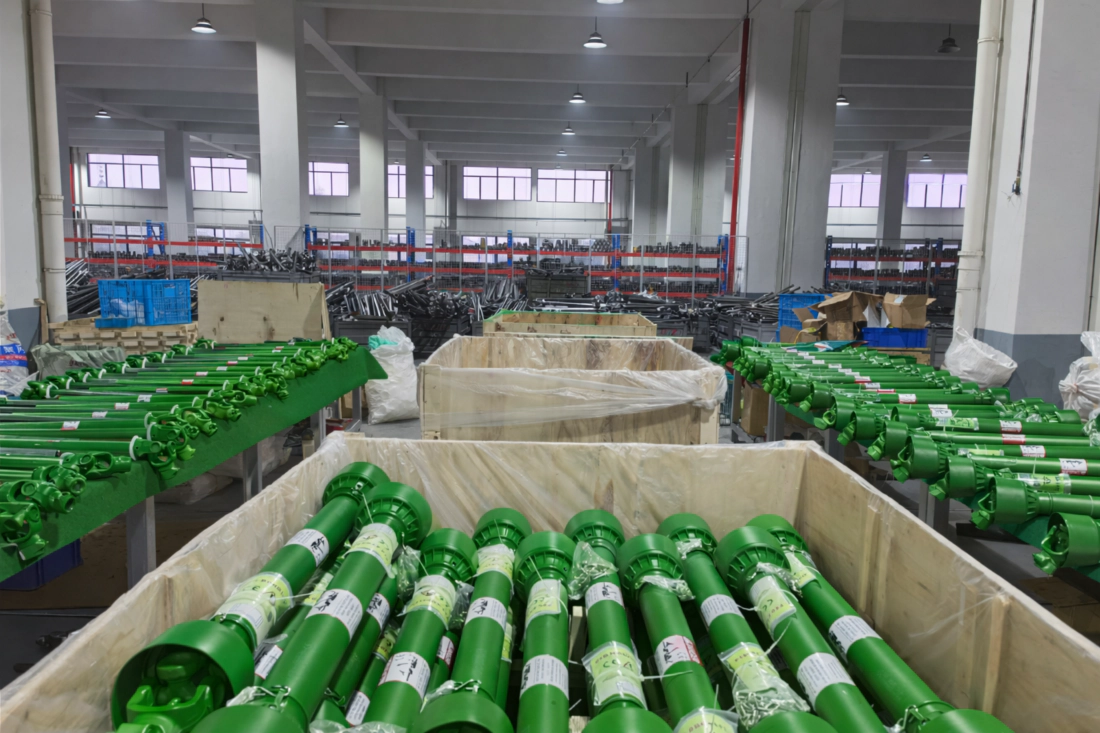
A baler is only as good as the power getting to it. That’s why we also manufacture our own high-torque PTO shafts and heavy-duty gearboxes. We’ve seen too many guys try to save fifty bucks on a generic drive shaft, only to have it snap and take out the whole input housing. We provide the full package to ensure your driveline is perfectly matched to the machine’s tension.
❓ Frequently Asked Questions
How much does it cost to replace a full set of large round baler belts from an Italian supplier?
The cost typically ranges from $1,500 to $3,500 depending on the material quality and whether you choose seamless or laced belts. We recommend sourcing directly from our factory to ensure the exact tensile strength match for your machine’s hydraulic pressure.
Which type of bearing is best for a high-density round hay baler working in dusty Midwest conditions?
In the dusty Midwest, you need double-sealed, eccentric-locking spherical roller bearings. These handle the frame flexing and keep the grit out better than standard ball bearings, which is why we spec them in all our Ever Power export models.
Where can I find a reliable manufacturer for custom large round baler parts and PTO shafts globally?
You can contact our headquarters in Italy; we provide a full logistics network to ship custom parts, gearboxes, and complete balers to over 40 countries, ensuring you have factory-direct support regardless of your location.
How often should an operator grease the main rollers on a commercial round baler during the silage season?
For silage work, we recommend greasing every 4 to 6 hours of operation. However, with our Italian-made auto-lube systems, the machine handles this every 20 bales, ensuring no bearing is ever left dry while working under load.
Ready to Upgrade Your Field Efficiency?
Don’t let maintenance downtime kill your profit. Get a direct quote from our engineering team today.