Conquering the Wet Harvest: Engineering the Ultimate Large Round Baler for Silage
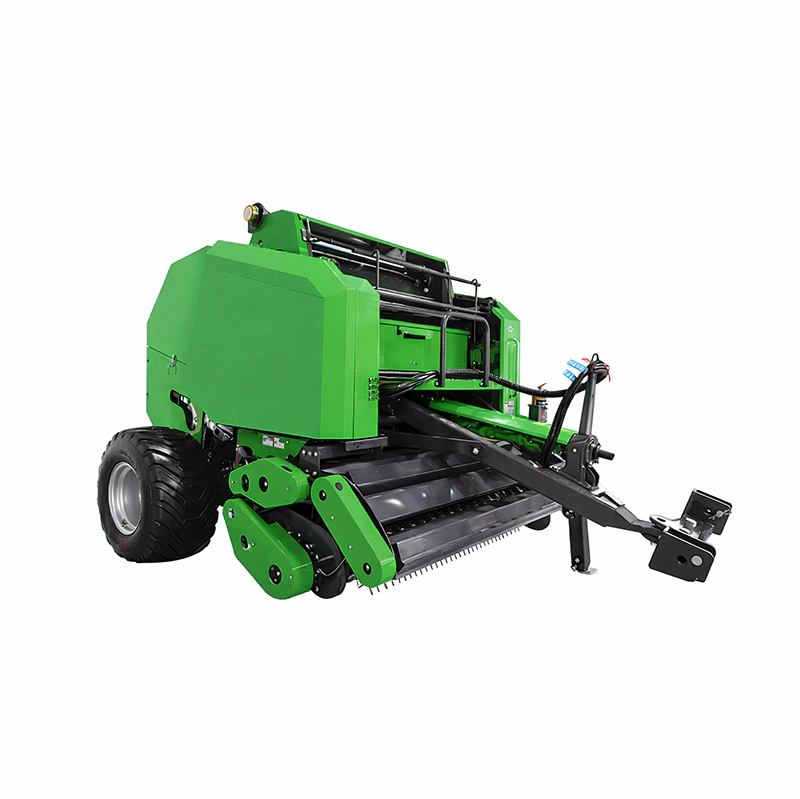
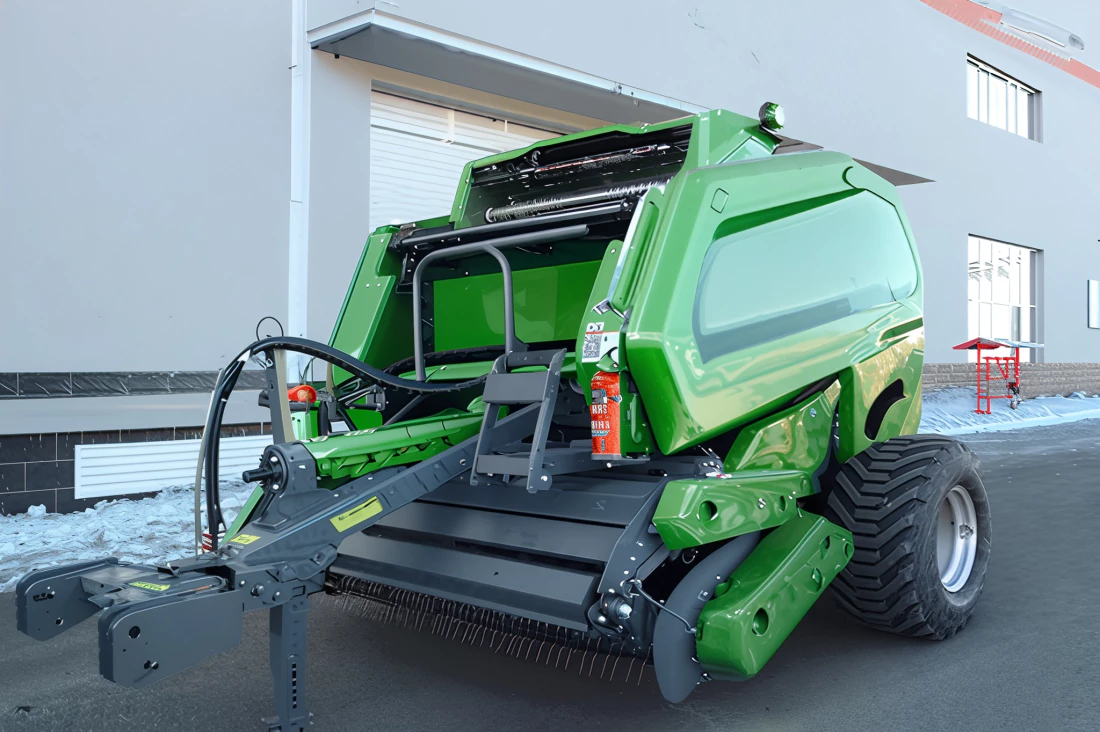
🚜 Let’s talk about wet grass. Anyone can wrap up dry straw on a sunny afternoon, but when you’re dealing with high-moisture hay or heavy, sticky silage, that’s where the toys break and the real machines go to work. As a premier round hay baler factory and dedicated manufacturer based right here in the Netherlands, we’ve seen exactly what a 55% moisture crop does to a weak driveline. It isn’t pretty. You need a trusted supplier who engineers for the absolute worst-case scenario. Our latest large balers are built precisely for this—delivering immense density, slicing through heavy forage, and keeping you in the tractor seat rather than under the machine with a pry bar.

You know what keeps me up at night during harvest season? The thought of air pockets in a silage bale. In our experience, most operators don’t realize that baling silage isn’t just a mechanical process; it’s a biological one. If your machine doesn’t pack that wet crop with bone-crushing density to squeeze out every ounce of oxygen, you aren’t making feed—you’re making expensive compost. Fermentation requires an anaerobic environment. When we sat down at the drawing board to design our high-capacity series, we threw out the standard playbook. We knew we had to build a monster.
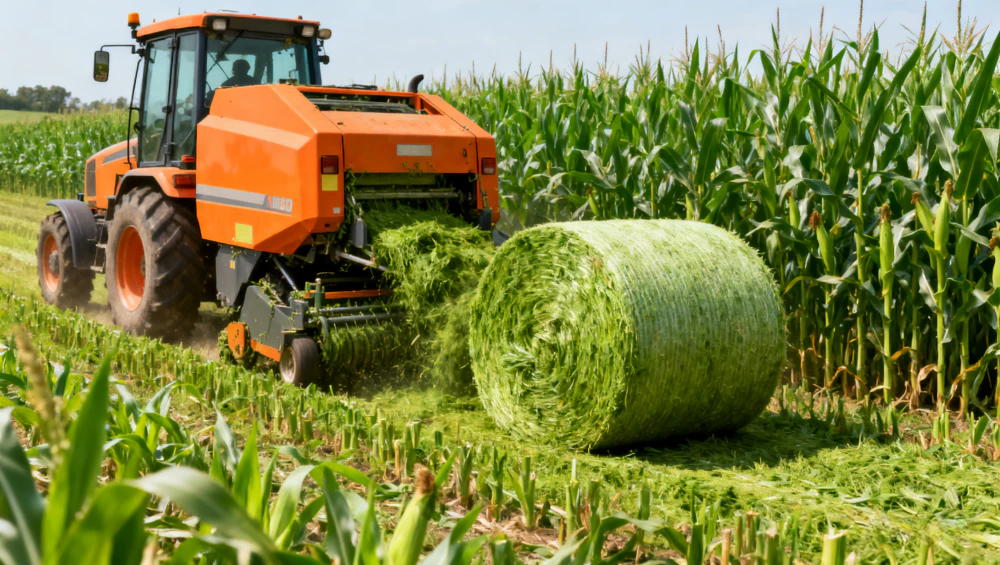
High-moisture hay (we are talking that 45% to 60% range) is acidic, incredibly heavy, and behaves like wet concrete when it gets jammed in a rotor. Standard balers just choke on it. The belts slip, the bearings get eaten alive by the acidic juices, and the sheer weight of a 6×5 foot wet bale can literally warp a light-duty chamber. Our specialized large round balers tackle this by over-engineering the intake and utilizing aggressive, high-tensile steel rollers combined with reinforced endless belts. We’re talking about delivering perfectly cylindrical, rock-hard bales that are ready for the wrapper the second they drop from the tailgate.

⚙️ The Iron and the Math: Technical Parameters
We don’t hide behind flashy marketing speak. Let’s look at the numbers that actually matter when you are dragging three tons of steel through a muddy field.
| Specification | Silage Pro Series (Fixed/Variable Hybrid) |
|---|---|
| Bale Size Options (Diameter x Width) | 1.2m x 1.2m up to 1.8m x 1.2m |
| Chamber Configuration | Heavy-wall ribbed rollers + 4 seamless belts |
| Pre-Chopping Rotor Knives | Selectable 15 or 25 knife bank (Spring-protected) |
| Minimum Power Requirement | 100 HP (130+ HP recommended for max density on hills) |
| Pick-up Width | 2.3 meters with dual cam-tracks |
| Drop Floor Unplugging | Hydraulic, controlled directly from the cab monitor |
🛡️ 6 Undeniable Advantages for the Heavy-Duty Operator
Why do these machines dominate in wet conditions? It’s all in the subtle engineering choices that you usually only notice when they fail on lesser machines.
1. The Hydraulic Drop Floor (A Real Marriage Saver)
Let’s be real here… jamming a baler with a lump of wet clover at 8 PM when rain is coming is enough to make anyone lose their mind. Getting out to manually hack away at a rotor blockage is dangerous and exhausting. Our hydraulic drop floor lets you lower the cutting floor directly from the cab, engage the PTO to swallow the lump, raise it back up, and keep moving. It turns a 30-minute sweaty nightmare into a 10-second hiccup.
2. Aggressive Pre-Chopping Knives
Silage doesn’t pack well if it’s too long. The trick is cutting the crop to exactly the right length (around 45-50mm) as it enters the chamber. We utilize a massive rotor pulling the crop through a 25-knife bank. The knives are spring-loaded—if you suck up a rogue rock, the knife drops out of the way instead of shattering, and then snaps back into place.
3. Double-Sealed Oversized Bearings
Plant sap from high-moisture hay is surprisingly corrosive. It will find its way into a standard bearing, wash out the grease, and seize the roller mid-bale. We use double-sealed, oversized spherical roller bearings on the main drive rollers, housed outside the chamber wall to keep them away from the acidic juices. We’ve seen these outlast standard bearings by 300% in wet conditions.
4. Proportional Hydraulic Density Control
A soft core in a dry hay bale is fine; in a silage bale, it’s a disaster waiting to rot. Our dual hydraulic tensioning arms apply constant, massive pressure to the belts right from the core to the outer edge. The intelligent monitor in the cab adjusts the pressure proportionally as the bale grows, ensuring uniform, brick-like density.
5. High-Speed Net Wrap System
Wet bales expand the second you take the pressure off them. If your net wrap cycle is slow, the bale loses density and shape, making it a nightmare for the wrapper to seal perfectly. Our positive-feed net system applies 3 layers of edge-to-edge net wrap in under 6 seconds. Fast, tight, and done.
6. Self-Cleaning Scraper Rollers
Sticky crops love to wrap themselves around drive rollers. Once that starts, it snowballs until the belt tracking goes completely out of whack. We integrated specialized scraper bars just millimeters away from the smooth rollers. They constantly shave off the sticky sap and leaf buildup, keeping the belts running dead center all day long.
💡 How to Choose the Right Rig for High-Moisture Work
I get this question almost every week: “Should I go fixed or variable for wet silage?” Honestly, it depends entirely on your end-game. If you are exclusively baling very wet, heavy silage (above 55% moisture), a heavy-duty fixed chamber with ribbed steel rollers is virtually indestructible. The rollers aggressively grip the wet material and force it into a uniform size every single time.
However, if you are a custom contractor dealing with varying crops—silage in the morning, dry straw in the afternoon—our reinforced variable chamber with endless belts is the way to go. It gives you the flexibility to change bale diameters from the cab. Just remember one crucial thing: match your tractor weight, not just the horsepower. A dense 1.5-meter wet silage bale can weigh upwards of 2,000 lbs (over 900 kg). If you are operating on steep terrain with a lightweight tractor, the baler will end up driving *you* down the hill. We always advise sizing up your tractor weight class when diving into serious silage work.
🌾 Real-World Applications
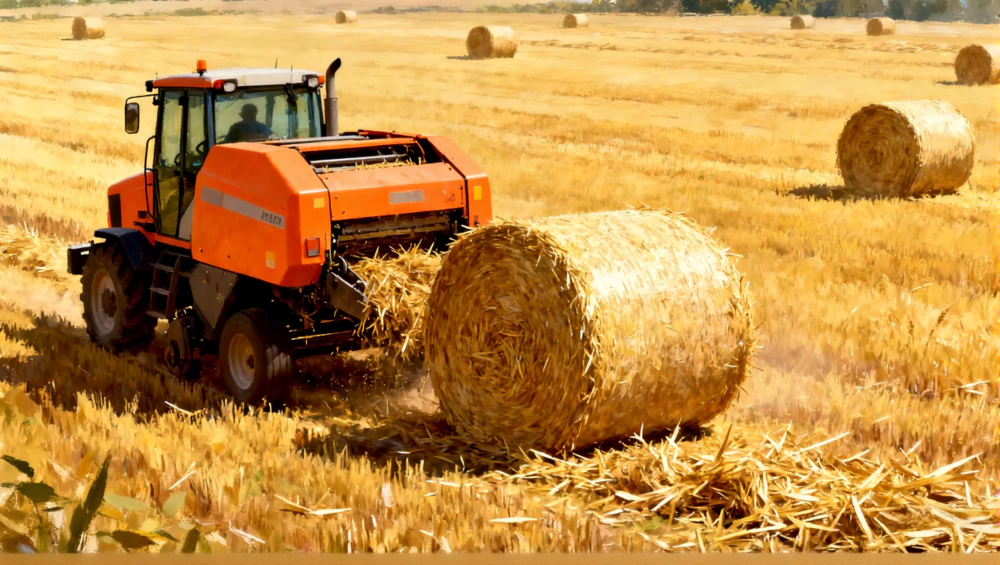
Our equipment doesn’t just sit in showrooms; it lives in the dirt. These balers are heavily relied upon in the dairy industry where high-quality fermented feed directly translates to higher milk yields. We’re talking about pure, unadulterated energy for the herd.
Beyond dairy, we see a massive application in biomass harvesting. Hemp, heavy forage sorghum, and even certain types of marsh grasses used for anaerobic digesters require a machine that won’t flinch at extreme toughness and moisture. Because our machines chop the material so finely, it accelerates the breakdown process in the digester tanks—a little detail that makes a massive difference to plant efficiency.
🗣️ Unfiltered Feedback from the Trenches
“Farming in the Pacific Northwest (USA) means we are almost always fighting the rain. We needed to put up 2,000 bales of orchard grass silage in a tight three-day window. The Ever Power baler didn’t choke once. The drop floor saved my driver at least four times when he pushed the speed a bit too hard over heavy windrows. Density is incredible—wrapper barely uses any extra plastic because the bales hold their shape perfectly.”
— Mark T., Large-Scale Dairy Operator, Washington State
“As an agricultural contractor in New Zealand, I get paid per bale, and downtime costs me a fortune. Wet clover is usually a nightmare, wrapping around everything. The scraper system on these Italy machines actually works. It just scrapes the sap right off the rollers. I’ve put 15,000 bales through it in two seasons and only changed routine wear parts.”
— Callum W., Ag Contracting Services, Waikato NZ
“The customized gearbox ratio we asked for handles the heavy rye grass brilliantly. We have steep fields here in Wales, and the stability of the wide stance paired with the heavy-duty PTO driveline gives me a lot of confidence. It’s a heavy beast of a machine, but that’s exactly what you want for this job.”
— Gareth E., Beef & Sheep Farmer, UK
🔧 The Heart of the Beast: PTO Shafts, Gearboxes & Factory Power
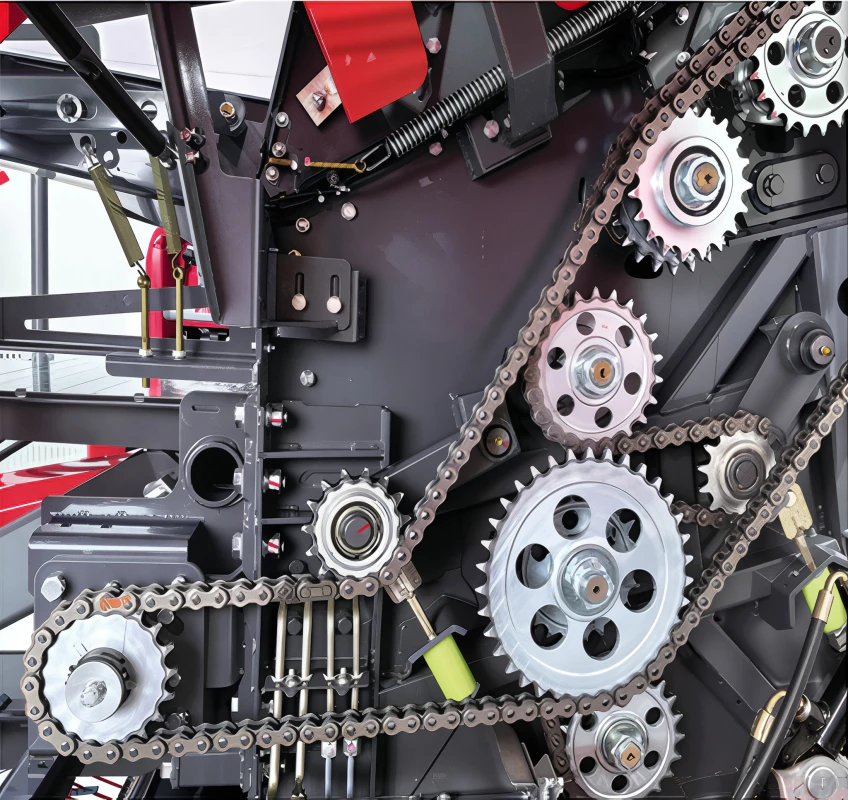
A heavy-duty baler is nothing without a driveline that can transfer 130 horsepower of raw torque without snapping. Because we are a primary factory manufacturer, we don’t outsource the heart of our machines. We produce and supply specialized PTO shafts, heavy-duty gearboxes, and reinforced chains designed specifically for the shock loads of silage baling.
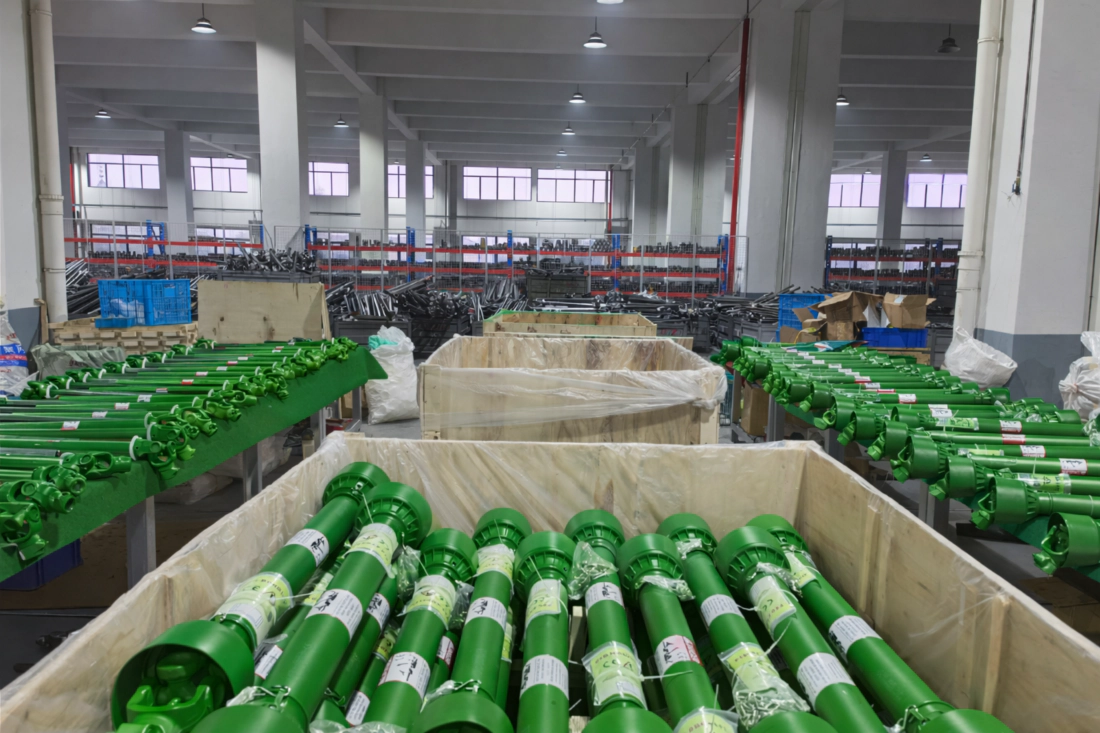
Whether you need a wide-angle constant velocity (CV) joint for tight headland turns or a cam-clutch to protect against sudden rotor jams, we custom-fit the driveline to your specific tractor setup. This isn’t off-the-shelf stuff; it’s precision European engineering.
❓ Frequently Asked Questions From the Field
Answers straight from the engineering desk…
Ready to Stop Fixing and Start Baling?
Don’t let another harvest season get derailed by equipment that wasn’t built for the job. Let’s talk about your field conditions and configure a machine that works as hard as you do.