When you are sourcing a commercial-grade round hay baler directly from a reliable factory supplier in today’s volatile market, you are investing in guaranteed uptime. As a top-tier global manufacturer, we engineer these heavy-duty machines with a distinct core advantage: an aggressively high-density variable chamber design that consistently packs up to 20% more dry matter into every single bale. This directly slashes your daily twine usage, minimizes field passes, and drops your diesel consumption dramatically. We’ve seen operators completely transform their seasonal margins just by switching to a true factory-direct model rather than overpaying at local dealerships. Let me tell you, after 18 years in the agricultural machinery trenches, the real difference between a highly profitable harvesting season and a mechanical disaster always comes down to equipment reliability under extreme pressure.
Understanding the global equipment pricing landscape is absolutely critical right now. Looking at the current data, how much does a large round baler cost in 2026? If you walk onto a dealership lot in North America, Australia, or Western Europe looking for a premium 5×6 variable chamber unit with all the bells and whistles, you are easily staring at a $45,000 to $68,000 invoice. The trick is cutting out that massive middleman markup by sourcing directly from the manufacturing source. By working with a dedicated international supplier, global B2B buyers and commercial contractors are securing the exact same heavy-duty specs—high-tensile seamless belts, auto-lube greasing banks, edge-to-edge net wrapping modules—for roughly $22,000 to $38,000, depending on custom options and ocean freight volumes. You really have to look past that initial sticker shock and calculate your total cost of ownership over a grueling ten-year lifespan.

It’s actually quite funny (and a little frustrating) when you read those glossy brochures from the big brands. Most printers don’t realize the massive, violent physical pressure required when they churn out those marketing spec sheets, but out in the real world, sitting in the tractor cab, you feel every ounce of that mechanical force when you are trying to compress tough, wet ryegrass or woody corn stalks. We build our machines to embrace that violence. We don’t use thin, rolled tin; we use heavy-gauge, laser-cut steel reinforced at every critical stress point. When you are out in the field and the rain is coming over the hills, you don’t want a machine that needs to be babied.
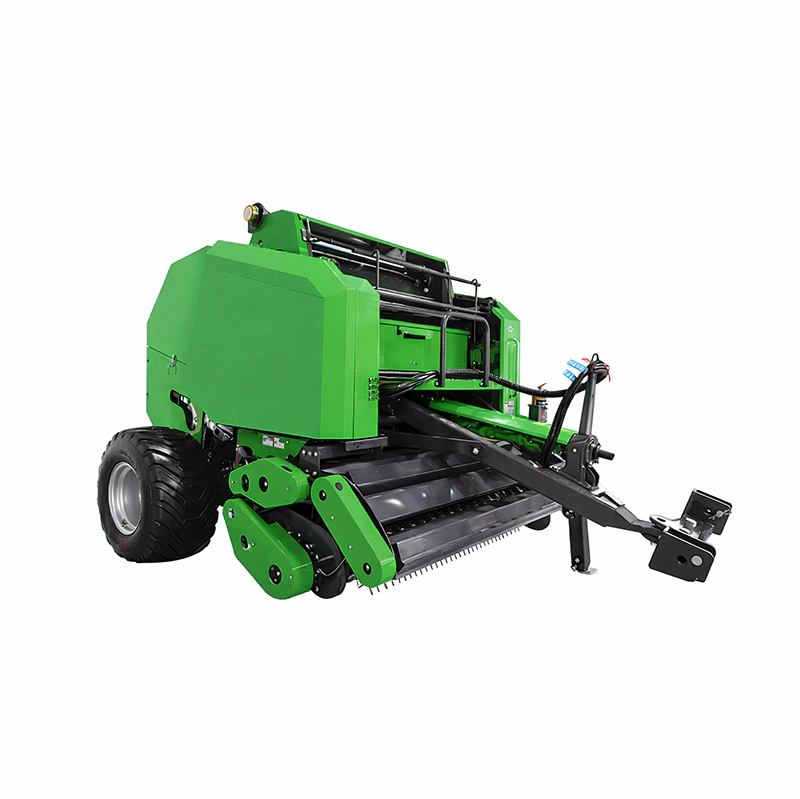
Core Technical Specifications That Drive Field Performance
We absolutely refuse to hide behind vague marketing jargon. Our engineering team has rigorously optimized every rotating component, every sprocket, and every hydraulic ram to handle massive, non-stop throughput. The parameters laid out below reflect our most popular heavy-duty global export model, which has been specifically engineered for high-yield, aggressive agricultural operations across diverse climates.
| Technical Parameter | Heavy-Duty Specification Details |
|---|---|
| Bale Size (Diameter x Width) | Variable: 0.8m to 1.65m (Max) x 1.2m (Approx. 5×4 ft) – Infinitely adjustable density from cab monitor. |
| Camless Pickup Width | 2.2 meters (Super-wide design accommodating massive combine swaths without edge-loss). |
| Tractor PTO HP Requirement | Minimum 75 HP for dry hay / Optimal 90-110 HP for engaging the high-moisture silage chopping rotor. |
| Binding & Wrapping System | Dual-action active system (Automated Edge-to-Edge Net Wrap standard / Twin-arm Twine optional backup). |
| Machine Gross Weight | 3,650 kg (Built on a massively reinforced, fully welded heavy steel box-section chassis). |
| In-Cab Control Interface | ISOBUS compatible smart monitor with real-time left/right bale shape indicators and drop-floor control. |

Looking at that 3,650 kg curb weight tells you a lot about how we approach manufacturing. You simply cannot achieve extreme bale density if the machine’s frame is flexing under hydraulic load. We weld our chassis using specialized robotic cells to ensure every seam can withstand the brutal torsional twisting that happens when you pull a fully loaded chamber across deep irrigation ruts at 12 kilometers an hour.
Unmatched Product Advantages: Why Operators Choose Our Iron
You might be sitting there wondering why custom operators and mega-dairies in over 40 countries keep coming back to our factory line when it’s time to expand their fleets. We haven’t achieved this by sitting in an office; we have continuously refined this platform based on brutal, real-world feedback from guys who break things for a living. Here is what actually matters when the dust is flying:
1. The Revolutionary Camless Super-Wide Pickup
In our experience, the traditional cam track is the Achilles heel of most balers. It’s full of bearings running in a steel groove that eventually wears out, binds up, and shatters (and trust me, digging broken cam bearings out of a pickup reel at 10 PM is a nightmare). We completely eliminated the cam track. Our camless design drastically reduces the number of moving parts, allowing the tines to spin faster and closer to the rotor. This means you can drive considerably faster over uneven terrain without leaving expensive crop behind in the field.
2. Ultra-High Density Variable Compression Chamber
Density is profit. Utilizing five seamless, heavy-duty multi-ply belts running over hardened drive rollers, combined with dual massive hydraulic tensioning cylinders, this system squeezes out maximum oxygen from the very core of the bale outwards. What you end up with is a rock-hard outer shell that sheds rain perfectly if you have to leave bales in the field for a few days, and a dense core that preserves the nutritional value of your forage.
3. Precision Edge-to-Edge Net Wrapping
Barely covered edges lead to massive spoilage and bales that fall apart when you spear them with a loader. Our automated net system is positioned perfectly above the chamber, feeding the net directly onto the spinning bale. It spreads the wrap right over the lip of the bale (edge-to-edge), securing the shoulders so tightly that you lose virtually zero leaf material during high-speed transport back to the farm.
4. Hydraulic Drop-Floor Unplugging System
Jamming your machine is inevitable when you hit a massive wet lump of clover hidden in the swath. With older machines, you had to shut off the PTO, climb out, and physically pull the crop out with your hands. With our advanced drop-floor technology, you simply press a button on the cab monitor to hydraulically lower the floor behind the rotor, engage the PTO to pass the blockage right into the chamber, raise the floor, and keep moving. It turns a 20-minute sweaty ordeal into a 5-second hiccup.
5. Oversized, Double-Sealed Industrial Bearings
Agricultural dust, chaff, and acidic silage juice will destroy cheap bearings in a matter of days. We don’t cut corners here. We install oversized, double-sealed spherical roller bearings on all primary drive shafts and high-load rollers. Furthermore, we equip the machine with centralized greasing banks, meaning you hit three easily accessible zerk fittings to grease the entire side of the baler, turning daily maintenance into a quick 5-minute job.
6. Highly Optimized Power Transmission & Efficiency
Despite the aggressive compression we achieve, the internal gearing, large diameter augers, and rotor flow are perfectly balanced to minimize power spikes. The crop flows smoothly without bottlenecking. You can run this beast highly effectively with an 85 HP tractor on dry crop, saving thousands of dollars in diesel over a single intensive season compared to power-hungry, poorly balanced competitor models that constantly lug your engine down.
Navigating Your Purchase: How to Choose the Right Machine
Looking at a yard full of seemingly identical equipment can be completely overwhelming, even for seasoned farmers. The absolute first thing you have to evaluate—and be dead honest with yourself about—is your primary crop type and your regional average moisture content. If you are exclusively baling dry straw, mature alfalfa, or prairie grass in an arid climate, a standard fixed-chamber roller baler will perform beautifully, create uniform bales, and keep your long-term maintenance costs rock bottom because they are mechanically simpler.
However, things change entirely when you step into the world of high-moisture silage, heavy clover, or thick, woody corn stalks. For those applications, you absolutely need a variable chamber machine equipped with a heavy-duty cutting rotor (often called a pre-cutter or chopper unit). This massive rotor pulls the crop across a bank of stationary knives, slicing the material into 3 to 4-inch lengths as it feeds into the chamber. This chopping action drastically improves bale density, makes the bales easier to mix in a TMR wagon later, and is essential for achieving the perfect anaerobic fermentation required for high-protein dairy feed.
You also need to take a hard, critical look at your current tractor fleet. Buying a massive, high-capacity variable chamber baler when you only have a lightweight, aging 65 HP utility tractor in the shed is a recipe for a blown PTO clutch or an overheated engine block. Match the baler’s required power output to a tractor that can comfortably provide 15% to 20% more horsepower than the stated minimum spec. When you’re out there beating the weather, racing against a thunderstorm, and the sun is going down fast, having a machine combination that just continuously eats whatever swath you put in front of it without jamming or stalling is worth its weight in gold, honestly.
Proven Versatility Across Brutal Field Applications
Our global clients throw absolutely everything at these machines. They are not babied, and they rarely see the inside of a shed during the season.
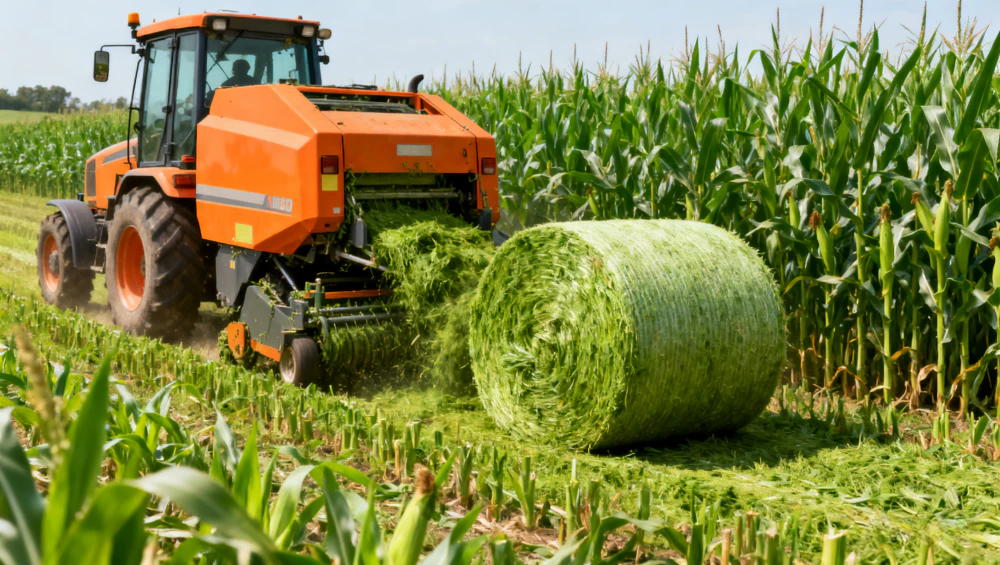
In the sprawling, intensive dairy regions of Europe and New Zealand, operators rely heavily on our balers to process high-moisture ryegrass and legumes for silage. Baling 50% to 60% moisture crop is incredibly taxing on a machine. The crop is heavy, sticky, and acidic. Our specialized silage scraper rollers prevent the wet crop from wrapping around the drive mechanisms, while the extreme hydraulic compression pushes out every tiny pocket of air, ensuring clean, mold-free fermentation that keeps dairy herds producing at peak capacity.
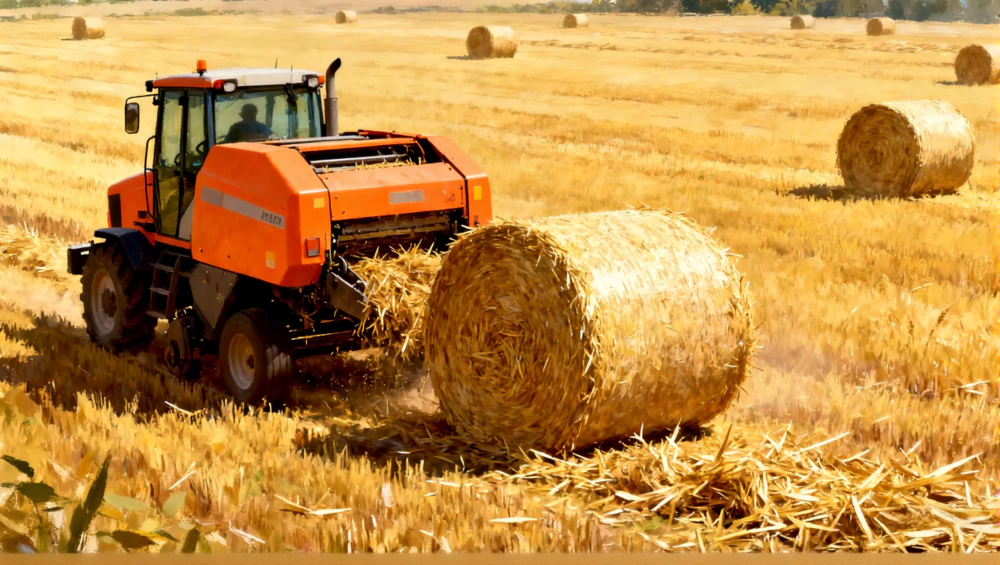
Following the massive grain harvests in North America, custom contractors hitch up our balers to clean up thousands of acres of brittle wheat stubble and brutal, abrasive corn stalks. Let me be clear: baling corn residue is notoriously hard on equipment—it acts like sandpaper on standard belts and shatters cheap pickup tines. We specifically engineered our super-wide pick-up reels with thicker, high-carbon steel tines to take the continuous beating of woody stalks without bending, while our seamless belts resist the tearing and puncturing that plagues lesser machines in corn stover.
What The Operators Are Actually Saying (Real Talk)
We don’t just rely on our engineering software; we talk to the guys deep in the dirt every single week. Here is what they are experiencing on the ground with our equipment:
“Running a custom harvest crew across Texas means we deal with brutal 105-degree heat and nasty, dusty coastal Bermuda grass that slips on cheap belts. We bought two of these units direct from the manufacturer last spring. The density we are getting is just insane. We are packing a solid 150 lbs more into every 5×6 bale compared to our old green machines, which means fewer trips with the flatbed semi-trucks. It’s the best ROI we’ve seen in a decade, hands down.”
— Marcus T., Commercial Forage Contractor, Texas, USA
“Baling wet grass for dairy silage in Bavaria is an absolute nightmare if your machine can’t handle the heavy sap and sheer weight of the crop. The hydraulic drop-floor unplugging feature on this baler saved me hours of digging out wet grass by hand this year. The European dealer quoted me almost double for a local premium brand with the exact same specs. I’ll be ordering another one directly for the 2027 season.”
— Lukas Weber, 400-Head Dairy Farm Owner, Germany
“Out here in New South Wales, the paddocks are massive, and by December, the wheat straw gets incredibly slick and dry. A lot of older balers struggle to get the bale rolling in the chamber—they just slip. The aggressive starter rollers on this unit grab that slick straw instantly. We ran 4,500 bales through it this summer in brutal dust, and we only had to replace one single shear bolt.”
— David R., Wheat & Sheep Producer, Australia
Inside Our World-Class Manufacturing Facility
We don’t just assemble parts shipped in from dubious suppliers; we control the metallurgy and the entire fabrication process. Walking through our massive factory floors, you see advanced automated laser cutters slicing through heavy-gauge steel plates with absolute millimeter precision. We utilize robotic welding cells to ensure that every single chassis weld is deeply penetrated and structurally flawless, eliminating the human error that leads to cracked frames out in the field.
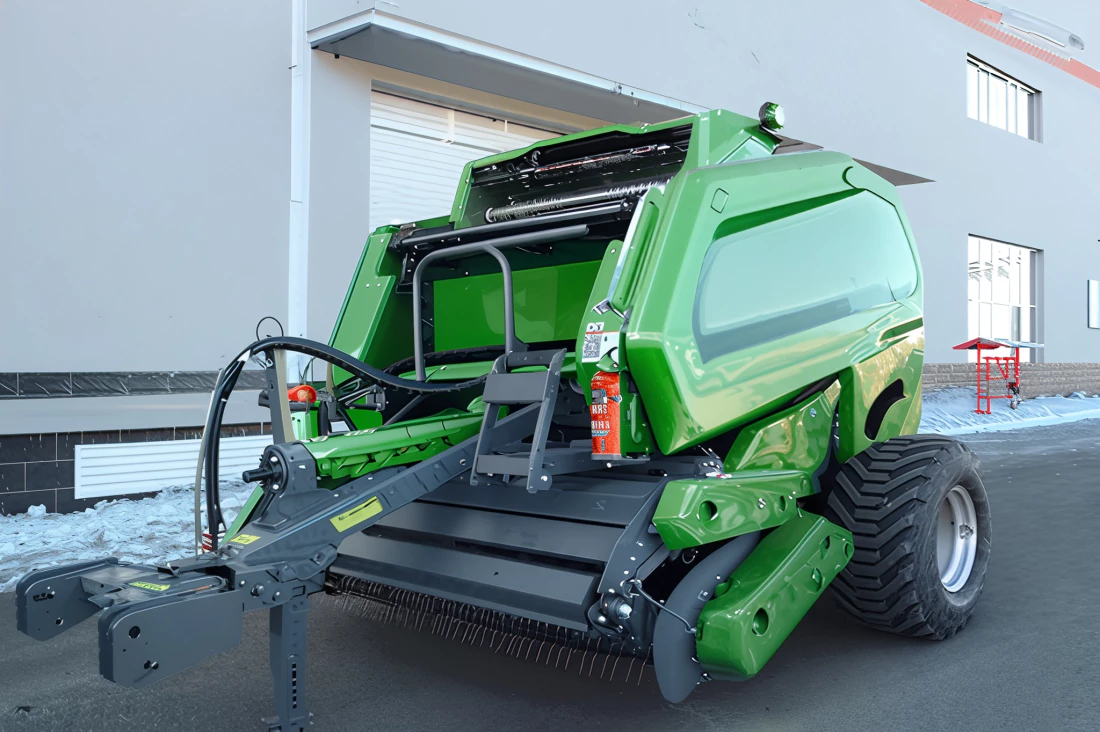
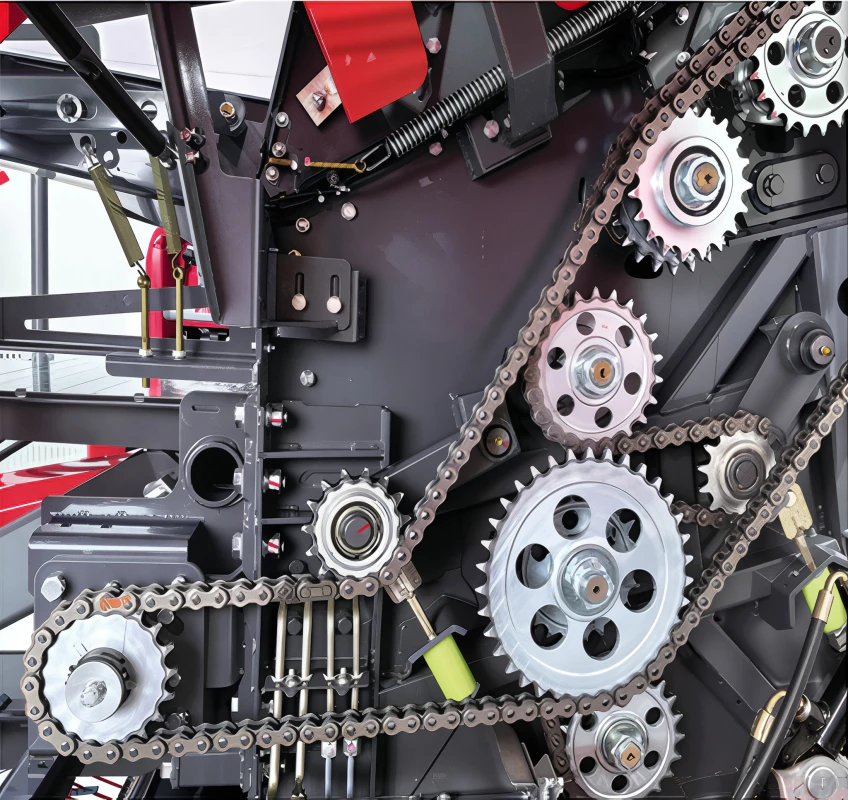
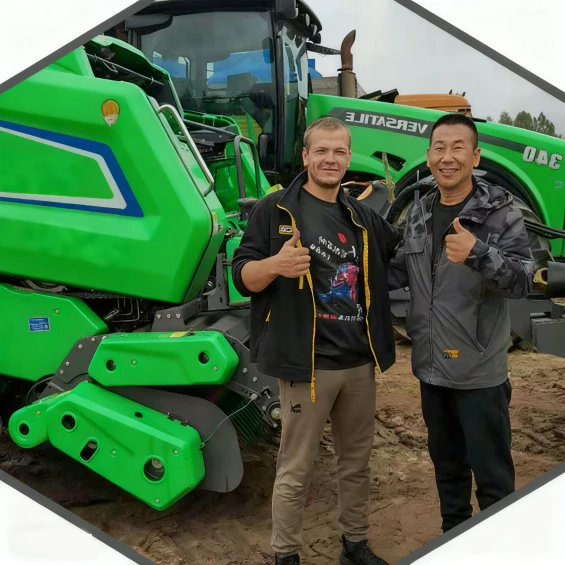
Every single baler undergoes rigid dynamometer and stress testing before it ever sees a shipping container to simulate the vibration and load of field work. Furthermore, we maintain incredibly deep inventory levels of all crucial spare parts in our logistics hubs, ensuring that when our global partners need support mid-harvest, we can air-freight components immediately, bypassing the weeks-long delays typical of other brands.
Powering the Beast: Premium PTO Shafts, Gearboxes & Accessories
A brilliant, high-density baler is essentially just a giant steel paperweight without a flawless driveline connecting it to your tractor’s power output. We’ve seen far too many high-end balers ruined because an operator tried to save fifty bucks on a cheap, unbalanced aftermarket drive shaft. That vibration travels straight up the driveline and tears the seals and bearings right out of the main gearboxes over time.
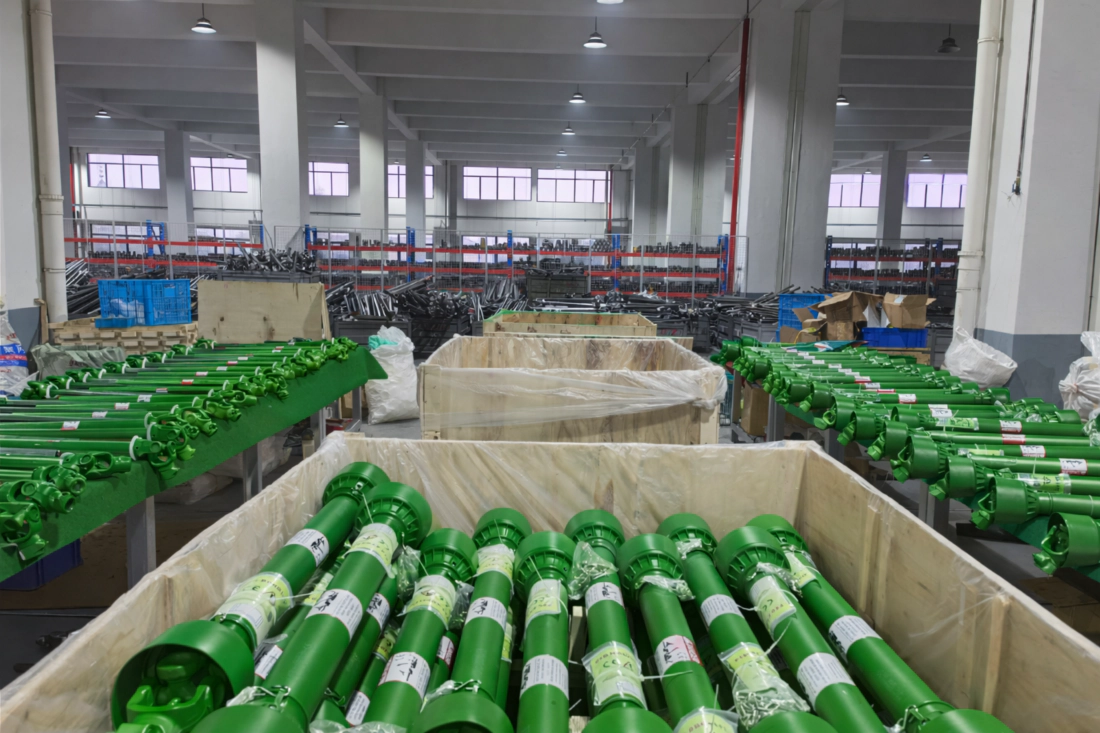
Because we understand power transmission intimately, our factory also engineers and supplies premium agricultural PTO shafts, robust overrunning clutches, heavy-duty T-gearboxes, and specialized driveline accessories. We highly recommend and custom-build these shafts with wide-angle constant velocity (CV) joints. A CV joint allows you to execute extremely tight turns at the end of a headland without having to constantly disengage and re-engage your PTO clutch. This single feature saves you precious minutes on every pass and prevents massive shock loads on your tractor’s internal transmission.
Frequently Asked Technical Questions (FAQ)
We constantly field questions from operators trying to optimize their setups and sourcing strategies. Here are the most critical answers you need.
What is the exact price for a new heavy-duty round hay baler from a direct overseas supplier?
How much minimum tractor PTO horsepower do I need for baling wet dairy silage in Europe?
Where can agricultural dealers find a reliable custom round baler manufacturer to request a wholesale quote?
Which type of baler netting system works best when harvesting abrasive corn stalks in the Midwest?
When requesting equipment pricing from your factory, what exact machine details should I provide?
Ready to Upgrade Your Harvesting Fleet for 2026?
Stop overpaying for dealership markups. Connect with our engineering team today to secure factory-direct pricing on heavy-duty agricultural equipment built to outlast the competition.